
Self-Storage Facility Roofing in El Paso, TX
Commercial Roofers of El Paso handles self-storage facility roofing in el paso, tx with a roof walk, photo notes, repair priorities, and a clear plan for maintenance, recovery, coating, or replacement.
Self-Storage Facility Roofing Scope Notes
Commercial roofing scope for multi-ply asphalt roofs, gravel surfacing, core cuts, and repair-versus-replacement decisions.
Local Roof Context
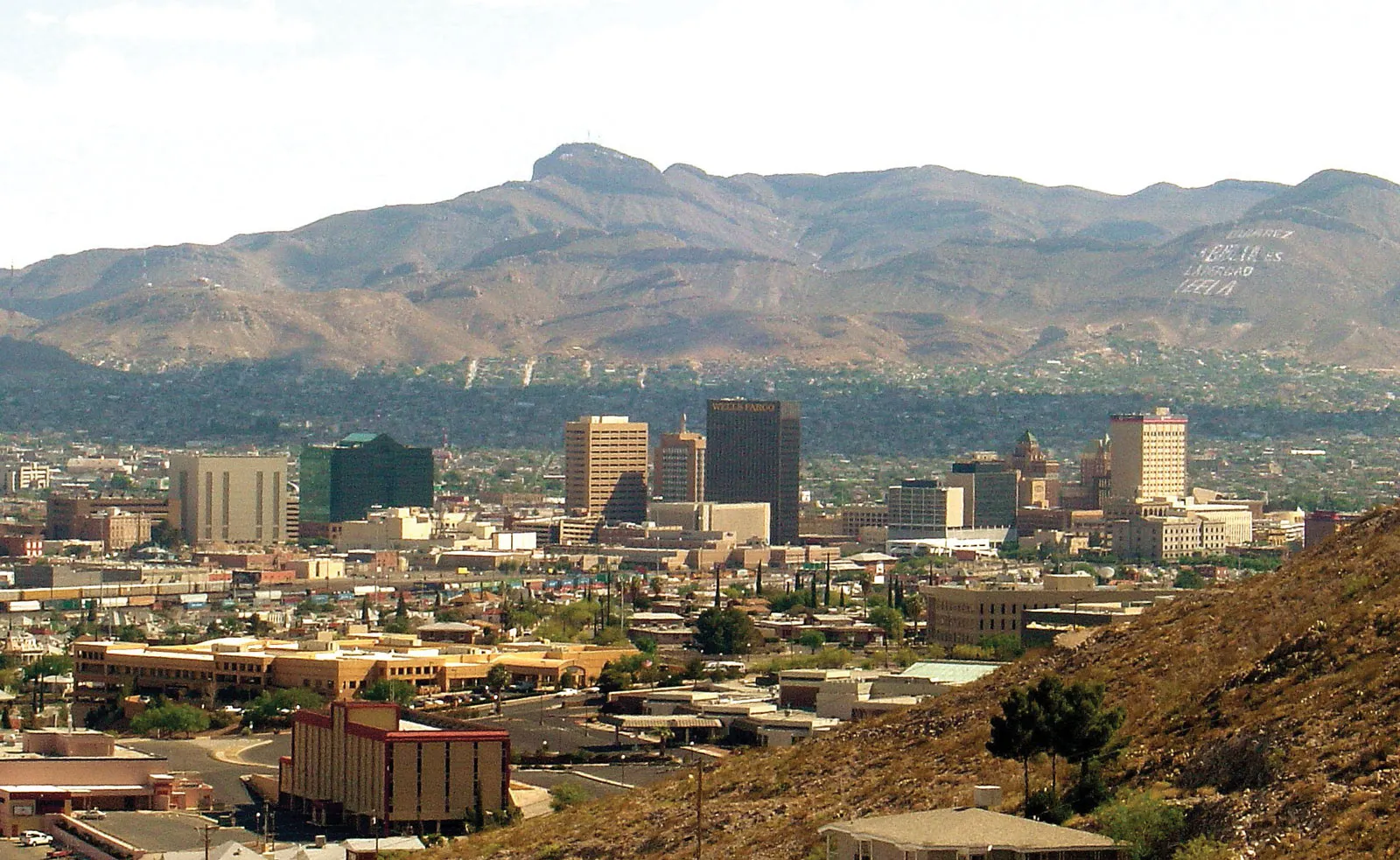
Public Storage maintains a well-used facility on Trawood Drive in East El Paso, serving the Borderland region's storage needs across a campus of both indoor climate-controlled and outdoor drive-up units. El Paso's high-desert climate is genuinely unlike any other major Texas market — where Houston and Corpus Christi face humidity and Gulf moisture, and Dallas faces the Central Plains hail belt, El Paso sits at 3,700 feet in the Chihuahuan Desert and experiences intense UV radiation, extreme summer heat, scarce but occasionally violent precipitation, and cold winter nights that can drop well below freezing. Self-storage roofs in El Paso face a threat profile dominated by UV damage, thermal cycling, and the episodic monsoon that arrives each summer.
The UV intensity at El Paso's elevation combined with more than 295 sunny days per year creates an accelerated membrane aging environment. Standard roofing membranes that might deliver a 15-to-20-year service life in more temperate climates may see that estimate shortened significantly in El Paso's relentless sun. Polyurethane and acrylic roof coatings are used extensively in the desert Southwest to extend membrane life by providing a UV-reflective and waterproof surface layer. When applied to sound substrates at appropriate film thicknesses, silicone and acrylic coatings can add five to ten years of service life to existing membranes while substantially reducing roof surface temperatures.
El Paso summers feature extreme heat — temperatures regularly exceed 100°F — combined with low humidity that accelerates the drying out and cracking of membrane materials that rely on maintained flexibility. Black or dark-colored roofing surfaces on storage buildings can reach surface temperatures well above 160°F under peak summer conditions, creating thermal loading that drives expansion and contraction cycles throughout each day. For climate-controlled storage units, this thermal loading dramatically increases cooling costs. White TPO or cool-roof coatings reduce surface temperatures by 40 to 60 degrees, providing meaningful operating cost reductions that compound over the life of the system.
El Paso's monsoon season, typically July through September, brings the city's most intense precipitation events in the form of convective thunderstorm cells that dump heavy rain in short periods. The desert soil has poor infiltration capacity, and the built environment's impervious surfaces create rapid runoff that can overwhelm drainage systems not designed for these events. Self-storage flat roofs that experience standing water during monsoon storms — even briefly — accelerate the UV and thermal damage cycle because wet-dry transitions stress membrane materials. Properly designed drainage systems with adequate capacity for monsoon-intensity events protect both the roof and the building contents below.
Climate-controlled storage is increasingly important in El Paso because the desert heat and low humidity combine to damage organic materials, electronics, and temperature-sensitive items in ways that customers don't always anticipate. A guitar stored in an uncontrolled unit through an El Paso summer can lose finish and develop wood cracks. Electronics can suffer from heat damage. The roofing system supporting climate-controlled units must provide sufficient thermal resistance to make HVAC equipment work efficiently — in El Paso's extreme heat, every R-value counts. Insulation specifications of R-25 to R-30 are appropriate for the Borderland's climate zone.
Flat-roof drainage in El Paso benefits from thoughtful design because the extreme heat and UV environment can degrade roof drain components faster than in more moderate climates. Metal roof drains and flashings exposed to 160°F surface temperatures and intense UV should be specified in materials resistant to thermal expansion failure and UV-induced degradation. EPDM drain leads and stainless hardware outlast cheaper alternatives in this environment, providing the long-term reliable drainage that prevents the pooling events that accelerate membrane wear between the infrequent but intense monsoon precipitation events.
Hail does occur in El Paso, particularly in conjunction with the monsoon season and isolated spring storms. The hail risk is lower than in central Texas or Colorado, but the combination of already UV-stressed membranes with hail impact can produce damage that would not occur to fresher, more flexible membrane materials. Storage operators who have older membranes in service should consider impact resistance when evaluating replacement options, as a membrane in poor condition due to UV degradation is far more vulnerable to hail damage than one in good condition.
Wind uplift is a roofing concern in El Paso that west Texas operators sometimes underestimate. The region's desert landscape provides little windbreak, and severe thunderstorm outflows can generate straight-line winds exceeding 70 miles per hour. Roof edges, perimeter metal, and membrane terminations are the most vulnerable to wind uplift failure. Mechanically attached or fully adhered membrane systems with properly secured perimeter details are essential for El Paso storage facilities, particularly on older buildings where perimeter metal may have loosened over years of thermal cycling.
Self-storage operators in El Paso who invest in quality commercial roofing find that the desert Southwest's dry climate can be forgiving of minor maintenance lapses compared to more humid markets — but the UV and thermal demands eventually catch up with any roofing system not properly specified for the environment. Working with a contractor who understands desert roofing conditions, specifies appropriate membrane products for the UV load, and provides the preventive maintenance program that catches UV degradation before it becomes membrane failure is the practical foundation of a long-lived, low-maintenance roofing program for El Paso storage properties.
Related Roof Paths
Auto Dealership Roofing in El Paso, TX
Auto Dealership Roofing in El Paso, TX starts with heat exposure, drainage paths, and storm history so the recommendation is tied to what the roof is showing.
Built-Up Roofing in El Paso, TX
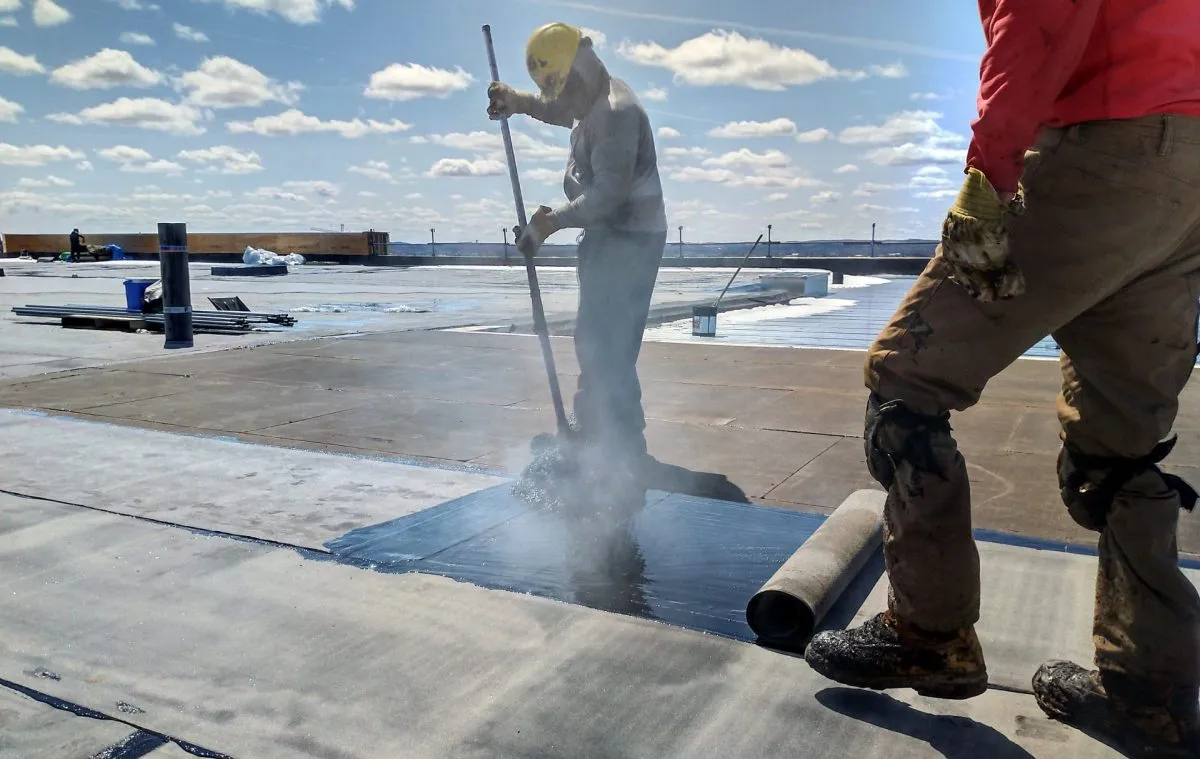
Built-Up Roofing in El Paso, TX starts with roof access, tenant timing, and equipment clearances so the recommendation is tied to what the roof is showing.
Commercial Roof Inspection in El Paso, TX
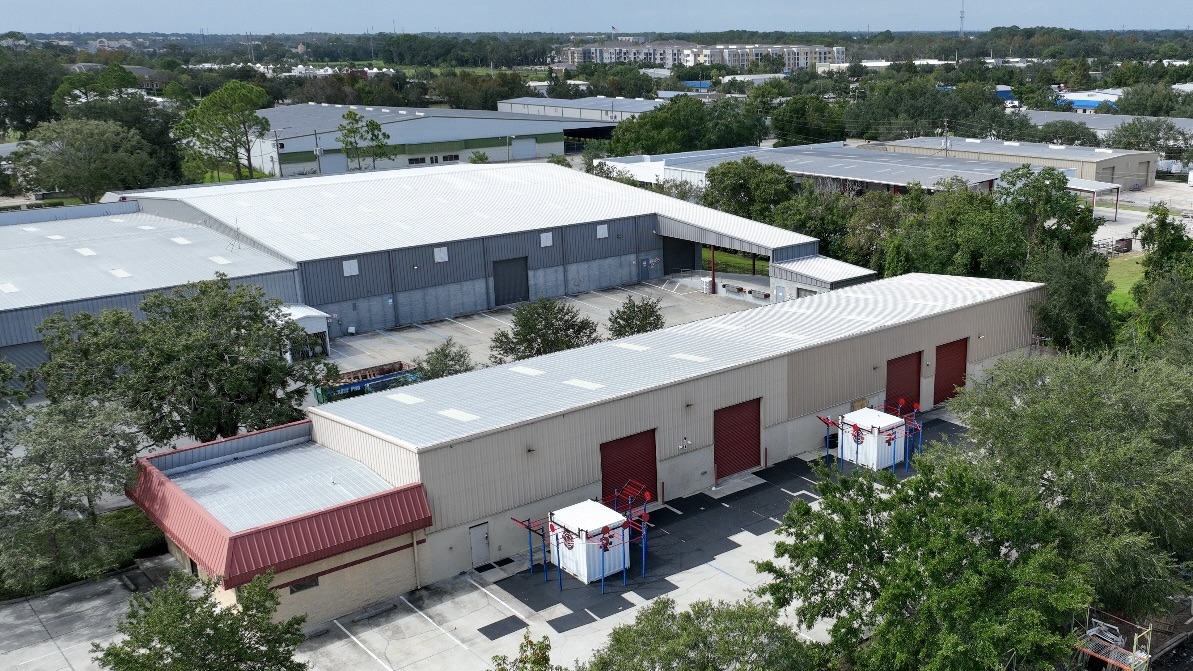
Commercial Roof Inspection in El Paso, TX starts with storm history, repair records, and drainage paths so the recommendation is tied to what the roof is showing.