
Auto Dealership Roofing in El Paso, TX
Commercial Roofers of El Paso handles auto dealership roofing in el paso, tx with a roof walk, photo notes, repair priorities, and a clear plan for maintenance, recovery, coating, or replacement.
Auto Dealership Roofing Scope Notes
Commercial roofing scope for multi-ply asphalt roofs, gravel surfacing, core cuts, and repair-versus-replacement decisions.
Local Roof Context
Viva Automotive Group operates several franchises in the El Paso market, including dealership locations on Montana Avenue and in the East El Paso commercial corridors that serve the Borderland's car-buying population on both sides of the I-10 corridor. El Paso's high-desert climate creates a roofing environment that is unlike any other major Texas automotive market — where Dallas and Houston deal with hail and humidity, El Paso faces intense UV radiation at 3,700 feet elevation, extreme summer heat with minimal humidity, monsoon rain events that are infrequent but intense, and cold winter nights that require heating management that Gulf Coast dealers never need to consider. Commercial roofing for El Paso dealerships must be specified for this specific climate reality.
UV intensity is the dominant membrane aging mechanism for El Paso dealership roofs. At 3,700 feet of elevation with over 295 sunny days per year, roofing membranes in the Borderland experience UV radiation loads significantly greater than national average, accelerating the polymer degradation that eventually leads to membrane brittleness, cracking, and waterproofing failure. Dealership showroom and service building roofs with dark-colored membranes can reach surface temperatures exceeding 165°F under peak summer conditions — an environment that no membrane is designed for on a continuous basis. Specifying reflective white TPO or applying acrylic and silicone cool-roof coatings to existing substrates addresses both the UV aging and thermal loading problems simultaneously.
El Paso's monsoon season, typically July through September, brings the desert's most intense precipitation events as Gulf moisture surges north into the Chihuahuan Desert. Convective cells can dump two to three inches of rain in under an hour on commercial facilities that may have gone weeks without any precipitation. Roof drain systems that are sized for average annual rainfall distribution may be barely adequate for monsoon event intensity, and any blockage from wind-blown desert debris — common on El Paso rooftops in the dry periods between monsoon events — can create standing water that imposes structural loads and accelerates membrane deterioration. Pre-monsoon drain clearing is an important seasonal maintenance activity for El Paso dealership operators.
Service bay skylights at El Paso dealerships face UV degradation as their primary deterioration mechanism. Polycarbonate skylight panels that are not UV-stabilized will yellow, haze, and eventually become brittle under El Paso's intense sun — a process that takes fewer years than national average and produces skylights that transmit minimal useful light while remaining structurally intact. Replacing aged polycarbonate with UV-stabilized panels, or upgrading to laminated glass assemblies, restores the natural light benefit while providing better long-term resistance to the Borderland's UV environment. Annual inspection of skylight seals and curb flashings prevents the water infiltration that monsoon events can drive through deteriorated seals.
Service drive canopy roofing at El Paso dealerships manages a different set of conditions than markets with cold winters or frequent hail. The primary concern is UV degradation of canopy panel systems, which are directly exposed to the Borderland's intense sun with no shade relief. Metal panel systems with proper primer and finish coatings outlast painted products without UV-resistant topcoats in El Paso's environment. Drainage from canopy systems during monsoon events should be directed away from the areas where customers walk between their vehicles and the service write-up desk — the same short-duration but intense rainfall that challenges roof drainage can create temporary flooding under canopies if the drainage system was not designed for desert rainfall intensity.
Hail, while less frequent in El Paso than in central Texas or the Midwest, does occur with monsoon-season storm cells. More importantly, the UV degradation that El Paso membranes accumulate over time reduces their impact resistance — a membrane that has become brittle from years of UV exposure is far more vulnerable to hail puncture than a fresh installation. Maintaining membranes in good condition through preventive maintenance, or replacing significantly aged membranes before the next hail event, provides the best protection against the compound failure mode of hail impact on UV-damaged surfaces.
Wind is a year-round roofing consideration in El Paso that operators in other markets sometimes underestimate. The desert landscape provides minimal windbreak, and the mountain pass geography that has made El Paso a crossroads for millennia also channels and accelerates wind flows through the urban area. Perimeter metal at dealership roofs — cap metal, coping, edge terminations — must be mechanically fastened with proper spacing and sealed at all joints to resist uplift forces from the regular high-wind events that El Paso experiences. A roof edge that lifts in a windstorm creates an immediate waterproofing failure that compounds quickly if not addressed.
Energy performance for El Paso dealership roofing is primarily a cooling-load management issue, with heating demands being modest by Midwest or Northeast standards. Showrooms running air conditioning through an El Paso summer benefit significantly from reflective roofing membranes and well-insulated roof assemblies that reduce solar heat gain. The energy savings from a cool-roof compliant specification compound over the roofing system's service life into a meaningful contribution to the facility's total operating cost efficiency. Texas energy code requirements mandate minimum cool-roof performance for the El Paso climate zone, and quality specifications exceed those requirements to maximize the benefit.
El Paso's position as a major border market creates a dealership business environment where facility quality communicates across a culturally sophisticated consumer base. Viva and other El Paso dealer groups invest in facilities that reflect their commitment to both the local market and the OEM brands they represent. A roofing program that keeps these facilities performing reliably through the Borderland's UV, heat, monsoon, and wind cycle is not just a maintenance function — it is part of the operational foundation that allows these dealerships to project the quality their customers expect.
Related Roof Paths
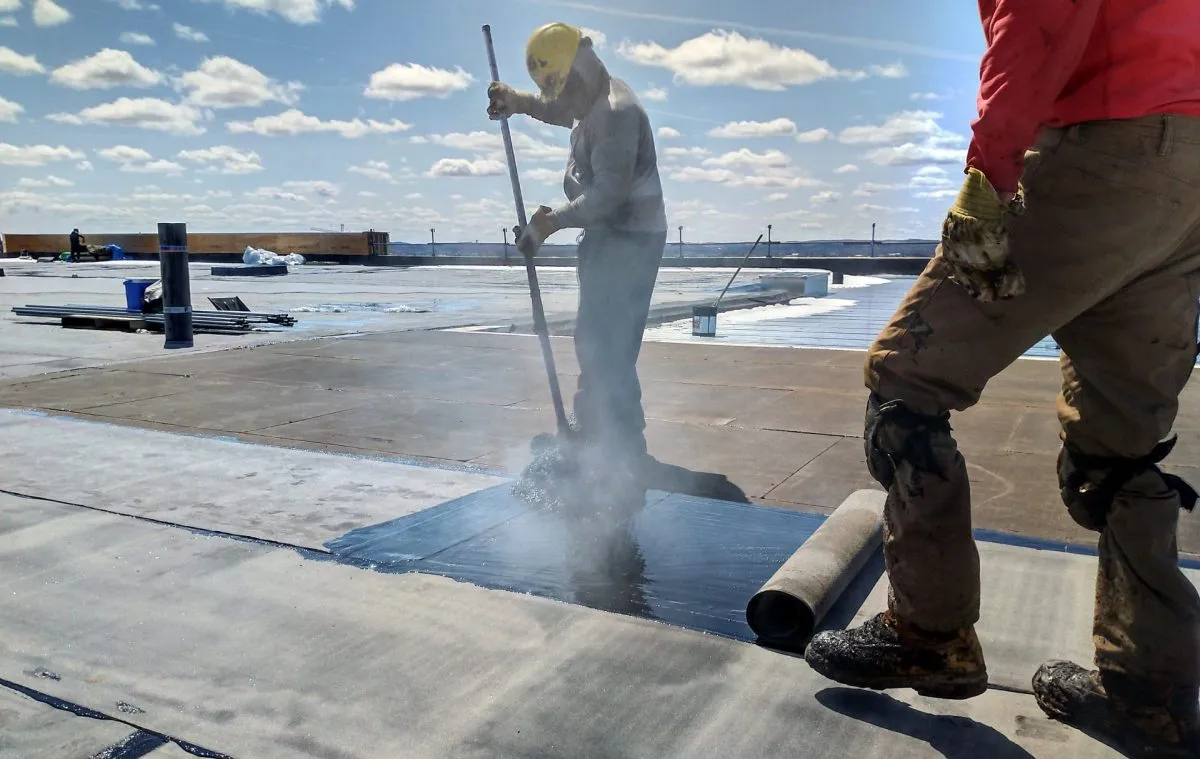
Built-Up Roofing in El Paso, TX
Built-Up Roofing in El Paso, TX starts with roof access, tenant timing, and equipment clearances so the recommendation is tied to what the roof is showing.
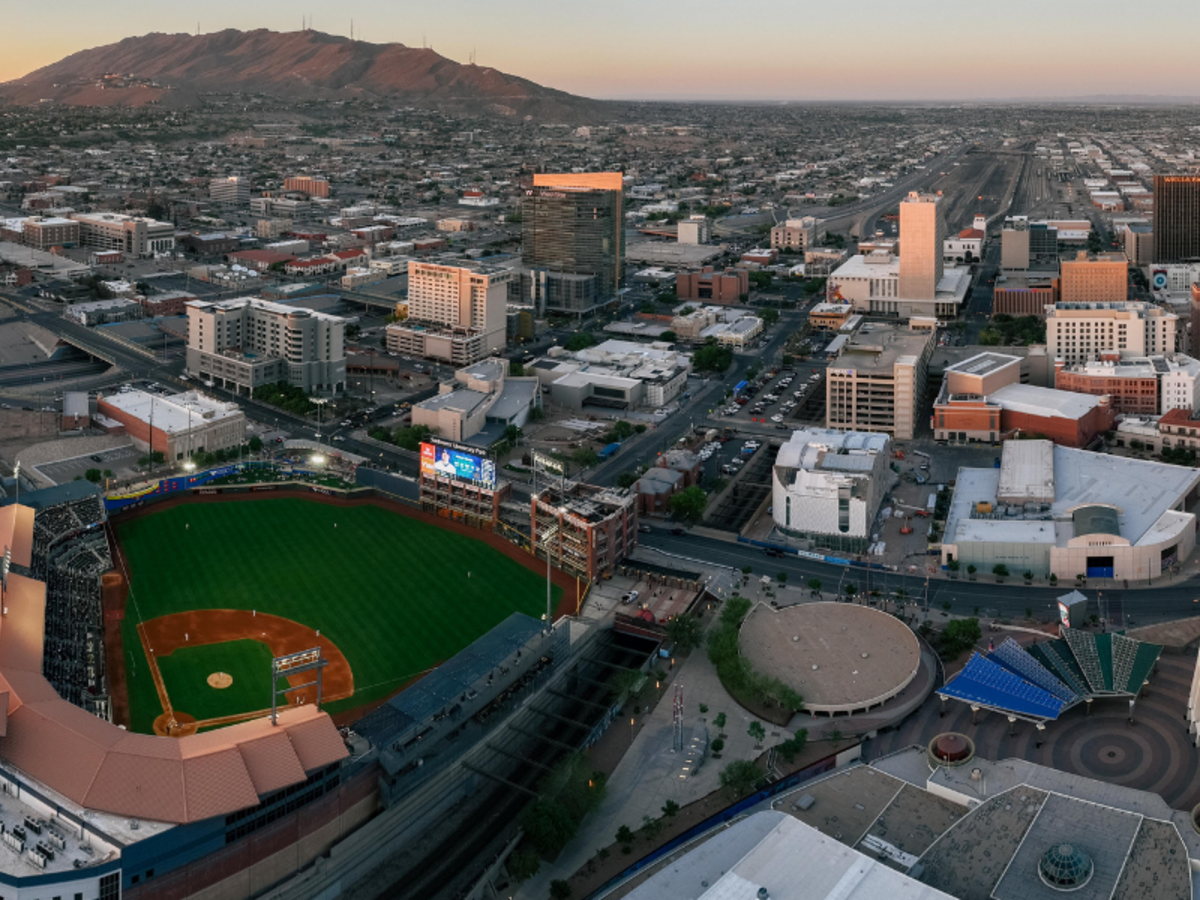
Church and Religious Building Roofing in El Paso, TX
Church and Religious Building Roofing in El Paso, TX starts with drainage paths, membrane age, and repair records so the recommendation is tied to what the roof is showing.
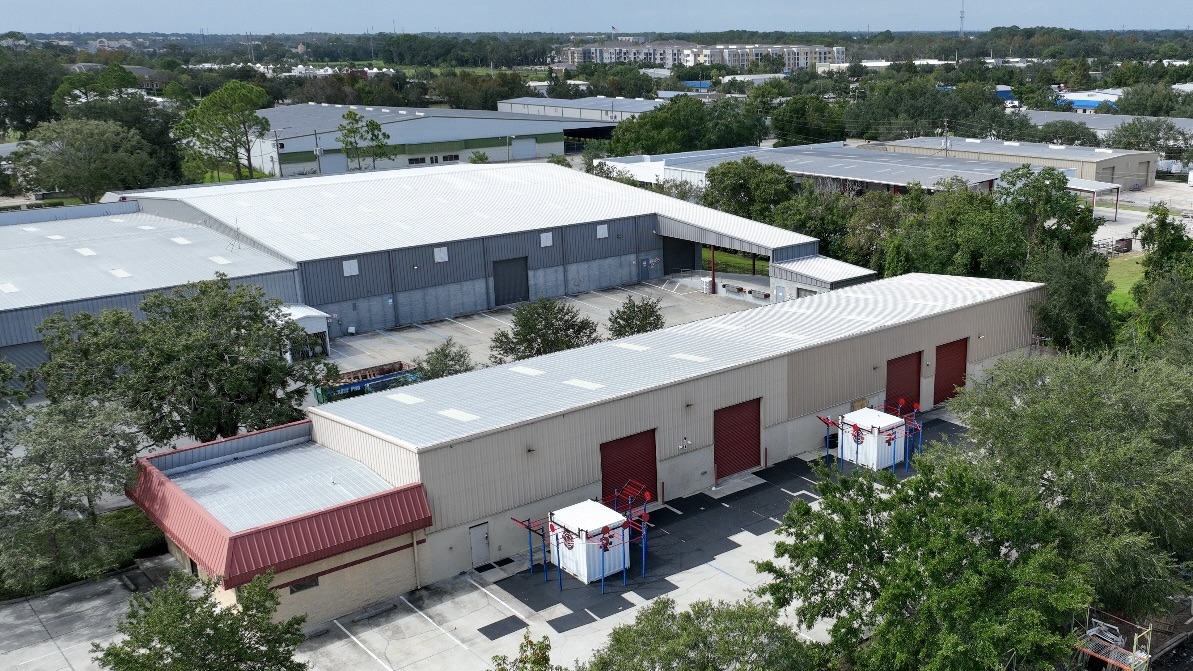
Commercial Roof Inspection in El Paso, TX
Commercial Roof Inspection in El Paso, TX starts with storm history, repair records, and drainage paths so the recommendation is tied to what the roof is showing.