
Church and Religious Building Roofing in El Paso, TX
Commercial Roofers of El Paso handles church and religious building roofing in el paso, tx with a roof walk, photo notes, repair priorities, and a clear plan for maintenance, recovery, coating, or replacement.
Church and Religious Building Roofing Scope Notes
Commercial roofing scope for multi-ply asphalt roofs, gravel surfacing, core cuts, and repair-versus-replacement decisions.
Local Roof Context
El Paso's faith community reflects the city's unique character as a bilingual, bicultural borderland metropolis where the Catholic tradition runs deep and evangelical congregations have grown rapidly alongside the region's population. Sacred Heart Catholic Church in the Segundo Barrio — one of El Paso's oldest and most historically significant parishes, serving a community whose roots predate the Texas-Mexico border itself — exemplifies the kind of institutional roofing challenge that requires both technical expertise and genuine respect for a building's cultural significance. Across the diocese and beyond, El Paso churches face a roofing environment unlike any other in Texas.
El Paso's climate is genuinely extreme and genuinely distinct from the rest of Texas. The city sits at 3,700 feet elevation in the Chihuahuan Desert, receiving less than nine inches of precipitation annually — the least of any major Texas city — with an intensity of UV radiation that far exceeds coastal Texas and with temperature swings from summer highs above 100 degrees to winter lows below freezing that create significant thermal cycling stress on all roofing materials. The dry desert air, while eliminating the humidity-related adhesive application challenges of Houston or Corpus Christi, accelerates the degradation of plasticizers in aging membrane systems and dries out sealants and caulks at rooftop penetrations faster than in any other Texas market.
The extreme UV environment in El Paso makes reflective membrane selection even more critical than in other Texas cities. A white or light-colored TPO or PVC membrane on an El Paso church roof reduces rooftop surface temperatures by 70 to 90 degrees Fahrenheit compared to a dark built-up system, and in a climate where summer cooling accounts for a dominant fraction of a church's utility budget — and where summer temperatures can reach 105 degrees for weeks at a time — the energy savings are substantial and rapid. Churches that have made the switch from aged dark systems to new reflective membranes consistently report cooling cost reductions that help offset the initial investment within a few years.
Clear-span sanctuary roofs are widespread in El Paso's church building stock, and they span a wide range of ages and construction types. The city's older adobe and masonry church buildings present distinctive flashing challenges at parapet walls and roof-to-wall transitions where the masonry substrate requires flexible, moisture-tolerant flashing systems that accommodate the differential movement between the roof assembly and the wall structure. Mid-century concrete block construction and more recent steel-framed facilities each have their own transition detail requirements that experienced commercial roofers understand and address in their specifications.
Summer scheduling in El Paso churches requires balancing the desire to work during the congregation's low-activity season with the reality that El Paso's summer monsoon season — typically July through September — brings afternoon thunderstorms, lightning, and brief but intense rainfall that can interrupt roofing work and require temporary protection of open areas. The practical preferred window for major church roofing in El Paso is May through June, before the monsoon season begins, or October through November, after the monsoon season ends but before winter cold makes membrane application more difficult. Many congregations schedule their capital projects in the May-June window to align with the school-year calendar that reduces weekday programming activity.
El Paso's building permit process is managed by the City of El Paso's Development Services Department, which handles commercial roofing permits for institutional buildings. The permit process for large commercial projects typically involves plan review by the building official's office and may require additional review for historic properties under the jurisdiction of the El Paso Historic Landmark Commission. The Catholic Diocese of El Paso maintains its own facility standards for parishes, and church administrators familiar with both the city permitting process and diocesan requirements are well served by contractors who understand both sets of requirements.
Budget processes in El Paso's church community reflect the economic realities of the border region, where many congregations serve communities with limited per-capita income relative to other Texas cities. Capital campaign structures that accommodate smaller individual giving capacities — building fund pledges spread over three to five years rather than the standard two or three — are common, and roofing contractors who can offer phased project scopes that match budget availability rather than demanding full project funding upfront are consistently better positioned in this market. El Paso's active military community, centered around Fort Bliss, adds another dimension to some congregations' financial profiles, as military families tend to be transient and may not be available to honor multi-year pledges.
Wind is a significant and often underappreciated roofing risk in El Paso. The desert Southwest topography funnels strong westerly winds through the El Paso valley, and sustained wind events exceeding 50 miles per hour are not uncommon in spring months. These winds create significant uplift pressures on commercial roof systems, particularly at the edges and corners of large flat-roof church buildings. Specifying edge metal systems, perimeter fastening patterns, and membrane attachment methods appropriate for El Paso's wind climate — rather than defaulting to the minimum code requirements — is essential for long-term system performance.
El Paso's proximity to the Mexican border creates a unique dynamic in the construction labor market, with implications for prevailing wage considerations on any publicly funded church project and for the verification of proper insurance coverage and licensing for all subcontractors employed on a project. Reputable commercial roofing contractors operating in the El Paso market maintain rigorous subcontractor qualification processes and ensure that all workers on their projects carry appropriate documentation — a standard that protects the contractor, the congregation, and the broader project team from legal and financial exposure.
Related Roof Paths
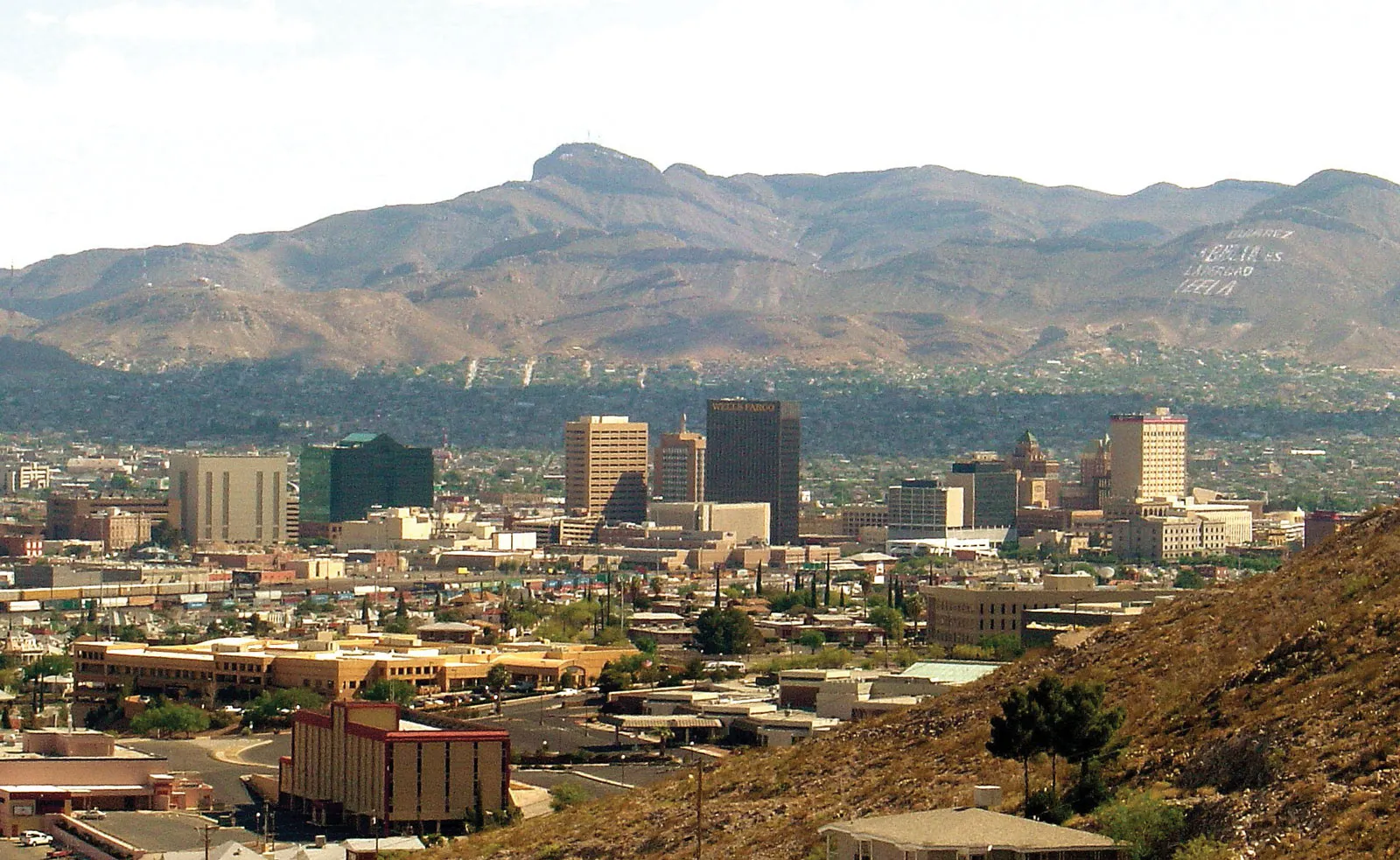
Auto Dealership Roofing in El Paso, TX
Auto Dealership Roofing in El Paso, TX starts with heat exposure, drainage paths, and storm history so the recommendation is tied to what the roof is showing.
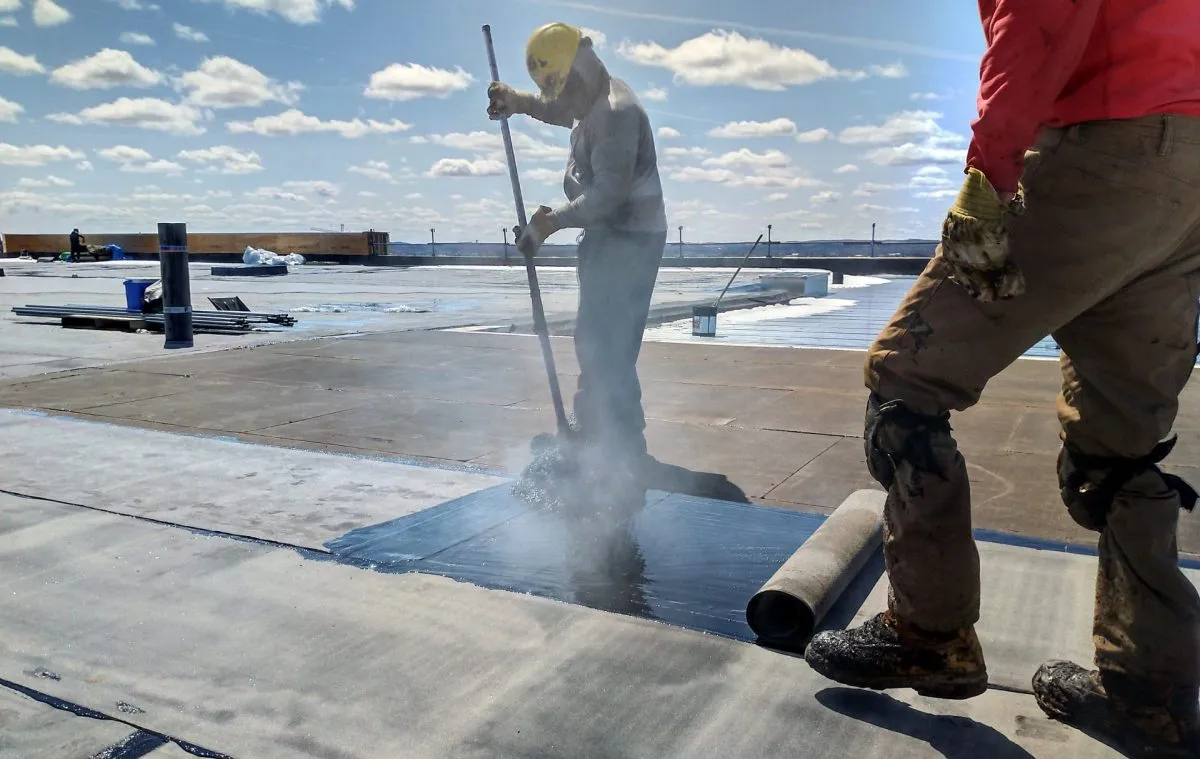
Built-Up Roofing in El Paso, TX
Built-Up Roofing in El Paso, TX starts with roof access, tenant timing, and equipment clearances so the recommendation is tied to what the roof is showing.
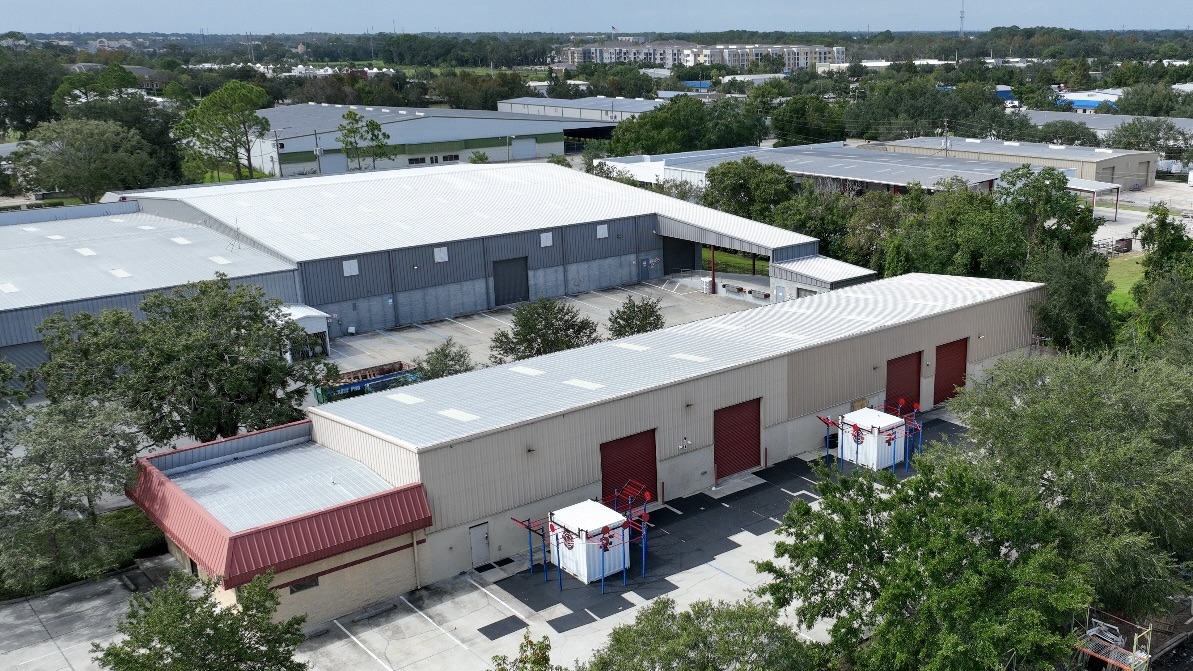
Commercial Roof Inspection in El Paso, TX
Commercial Roof Inspection in El Paso, TX starts with storm history, repair records, and drainage paths so the recommendation is tied to what the roof is showing.