
Industrial Roofing in El Paso, TX
Commercial Roofers of El Paso handles industrial roofing in el paso, tx with a roof walk, photo notes, repair priorities, and a clear plan for maintenance, recovery, coating, or replacement.
Industrial Roofing Scope Notes
Commercial roofing scope for multi-ply asphalt roofs, gravel surfacing, core cuts, and repair-versus-replacement decisions.
Local Roof Context
El Paso's industrial geography is unlike any other US city — it shares a metropolitan economy, a workforce, and a manufacturing ecosystem with Juárez across the Rio Grande, and the industrial buildings on the US side of that relationship operate in service to a cross-border production chain that doesn't stop for weather or maintenance deferral. The maquiladora support facilities clustered around the Ysleta Port of Entry and the Bridge of the Americas on the east side, the logistics operators near the Zaragoza International Bridge, and the warehousing and freight processing hubs serving Juárez's USMCA manufacturing zone all depend on buildings that have to function reliably in a harsh desert climate. Fort Bliss's massive footprint — the largest land military installation in the contiguous United States — adds another enormous dimension to El Paso's industrial roofing market, with maintenance facilities, logistics buildings, and support structures stretching across tens of thousands of acres on the northeast side of the city.
The roofing environment in El Paso is defined by heat. Summer temperatures regularly exceed 100°F, and the city averages around 297 days of sunshine per year. Rainfall is negligible — roughly nine inches annually, mostly arriving in the summer monsoon season as intense, short-duration events rather than steady rain. The combination of near-constant sun and minimal precipitation might suggest that roofing here is simple, but the opposite is true. UV-driven degradation in this environment is relentless. Dark-surfaced built-up roofs and uncoated modified bitumen on older warehouse facilities in the industrial parks east of I-10 near Horizon City show accelerated alligatoring and surfacing loss after eight to ten years — the same UV exposure that makes El Paso's winters mild and sunny destroys unprotected roofing materials across three decades of cumulative radiation.
The maquiladora support and logistics corridor from the Ysleta area east through Horizon City to the Socorro industrial parks represents some of the highest-density industrial roofing in the Borderplex region. These facilities range from purpose-built cross-dock logistics buildings with large clear-span steel roofs to older tilt-up warehouses that have been repurposed multiple times as the border manufacturing economy has evolved. Many of these buildings carry roofs that have been patched repeatedly by whoever was cheapest at the time — a pattern we recognize on sight when we do first assessments. What looks like a functional roof from the access hatch is often a patchwork of incompatible systems that trap moisture between layers and create unpredictable leak paths during the monsoon events that arrive every summer between July and September.
Fort Bliss presents roofing work at an institutional scale. The installation includes motor pool buildings, aircraft maintenance hangars, equipment depots, barracks support facilities, training facilities, and administrative buildings — a city-within-a-city with its own roofing maintenance program managed through the Directorate of Public Works. Contractor access at Bliss requires security clearances and base access credentials, gate check-in procedures, and compliance with installation safety and environmental requirements. Material delivery requires coordination with the garrison's logistics management. We've worked within these systems and maintain the required clearances and documentation. What we offer to installation facility managers is experience with military construction standards — UFC roofing specifications, inspection documentation requirements, and the ability to work within the Army's contracting framework.
The ASARCO legacy industrial area in western El Paso near the Smelter represents a different category of challenge — older industrial buildings in a former heavy manufacturing zone, some with environmental legacy issues in the substrate, requiring careful handling during any roof system penetration or tear-off work. Hazmat protocols for disturbing legacy roofing materials are standard in this area, and proper sampling and testing before any work begins is non-negotiable. The buildings in the western El Paso industrial corridor date from eras when asbestos-containing roofing materials were common, and asbestos abatement requirements apply to any disturbance. We require material testing before scoping work on any building in this corridor that was constructed prior to 1980.
Wind is the underappreciated weather factor in El Paso roofing. The Rio Grande valley funnels strong, sustained winds through the Paso del Norte, and the open desert terrain around the eastern industrial parks means no windbreak protection for building perimeters. Poorly installed perimeter edge metal and inadequately anchored membrane systems on large flat roofs experience significant wind uplift stress in this environment. We design to ASCE 7 wind zone requirements for each building location and consistently find that older industrial buildings in the Horizon City and Socorro corridors have edge metal systems that were installed to minimum production standards — straight clips, inadequate seam overlaps, missing hold-down fasteners in corners and edges. Edge metal failures during high-wind events aren't dramatic — they happen incrementally, starting at corners, then progressing along the perimeter until a large section peels back in the next major wind event.
Cool roof specification is essentially mandatory for any El Paso industrial building where the owner is paying the energy bills. With 297 days of sunshine and summer highs routinely above 100°F, a white TPO or highly reflective modified bitumen roof surface can reduce interior temperatures dramatically in unconditioned or minimally conditioned warehouses, and reduce mechanical cooling loads significantly in climate-controlled facilities. The logistics warehouses in the Ysleta and Horizon City corridors are particularly energy-cost-sensitive — many operate with narrow margins on cross-border freight, and energy efficiency directly affects operating costs. We've converted multiple buildings in this corridor from dark modified bitumen to white TPO, and the energy bill comparisons are compelling. Payback periods under five years are common in El Paso's climate.
Monsoon season deserves specific attention in El Paso roofing strategy. While the annual rainfall total is only nine inches, the July-through-September monsoon pattern delivers that rainfall in short, intense events — sometimes two to three inches in an hour. Roof drainage systems designed for desert climate conditions — minimal slope, undersized drains, infrequent cleaning — get overwhelmed by these events regularly. We size drain systems for monsoon intensity, not annual average rainfall, and specify overflow scuppers on every roofed building as protection against catastrophic interior flooding when primary drains clog during a storm event. Rooftop drain maintenance — clearing debris before monsoon season — is one of the highest-value, lowest-cost maintenance actions available to El Paso industrial building owners.
The newer industrial development east of the city along the Tornillo-Guadalupe Port of Entry corridor and along US-62/180 toward Horizon City represents the fastest-growing logistics real estate segment in the region, driven by border trade growth and USMCA manufacturing expansion. New construction here typically follows modern single-ply specifications, but project pressures compress construction schedules and roofing quality suffers when crews rush to dry in a building ahead of other trades. We perform new construction quality audits for owners and lenders who want independent confirmation that roofing systems were installed per specification — seam welds tested, fastener patterns verified, flashings properly completed. Finding a failed curb detail on a new building before occupancy is a warranty conversation. Finding it after three years is a negotiated repair.
El Paso's industrial roofing market rewards contractors who understand the border economy's specific demands, the climate's particular stresses, and the Fort Bliss contracting framework. We know the difference between a monsoon-driven leak and a chronic drainage failure. We know how to specify for UV intensity, not just temperature. We know how to work within military installation protocols and how to handle the legacy material issues in older west-side facilities. If you manage industrial property on either side of the I-10 corridor in El Paso, from the Smelter area to Horizon City, we're the contractor who has already solved the problems your building is about to develop. Call us before they develop.
Low rainfall creates a false sense of roof security, but UV degradation in El Paso is relentless. With nearly 300 sunny days per year and intense summer UV, unprotected or dark-surfaced roofing membranes break down significantly faster than in cloudier climates. The degradation happens between rain events — by the time the monsoon arrives and water gets in, the membrane has already been compromised by months or years of UV stress. Reflective white membranes extend service life substantially, but even those need regular inspection and maintenance. The other major factor is that desert drainage systems are often undersized or neglected because owners don't think about rain in El Paso — and then the monsoon arrives and overwhelms a blocked drain.
Yes. All contractor personnel working on Fort Bliss must obtain installation access credentials, which require background check processing through the Army's contractor access program. The timeline for initial credentialing varies but typically takes one to four weeks, so we begin that process well in advance of project mobilization. We maintain current access credentials for our field supervisors and key personnel, which reduces processing time for repeat work. On-base work also requires compliance with Bliss safety and environmental requirements, coordination with the Directorate of Public Works, and adherence to UFC (Unified Facilities Criteria) standards for military construction — which specify roofing system requirements differently from commercial construction standards.
The critical preparation step is drain inspection and cleaning. All primary roof drains should be cleared of debris — dust, wind-blown materials, bird nesting, and accumulated sediment — before July. We also recommend inspecting and clearing overflow scuppers, which should be present on every roof but are often blocked or missing on older buildings. A pre-monsoon inspection should also check for any membrane seam or flashing deterioration that may have developed over the dry season, because even minor open seams that weren't causing visible problems during dry months will admit significant water during a 2-inch-per-hour monsoon event. We offer pre-season inspection programs specifically timed to the monsoon window.
Any building constructed before 1980 in El Paso's western industrial corridor should be tested for asbestos-containing roofing materials before any disturbance work begins — this means before core cuts, before tear-off, and before any penetration drilling or cutting. We require sampling and laboratory analysis as a pre-work requirement on all pre-1980 buildings in affected areas. If asbestos is confirmed, abatement must precede roofing work and must be performed by a licensed abatement contractor following NESHAP and OSHA regulatory requirements. We can coordinate the abatement scope with our roofing scope to minimize scheduling gaps, but the abatement work is a separate licensed activity that must be completed before reroofing commences.
Almost certainly, especially if you're paying electricity costs. El Paso's 100°F summer temperatures mean that a dark membrane surface can reach 165 to 175°F, which radiates heat into the building below and forces cooling systems to work significantly harder. Converting to a white TPO or highly reflective modified bitumen surface typically reduces roof surface temperature by 60 to 80 degrees, which translates directly to cooling load reduction inside the building. For logistics and cross-dock facilities where refrigeration or air conditioning represents a meaningful operating cost, the energy savings from a cool roof system have paid back the premium over standard dark roofing in three to five years in this climate. We can provide energy savings estimates based on your building's size, insulation, and mechanical system configuration.
Related Roof Paths
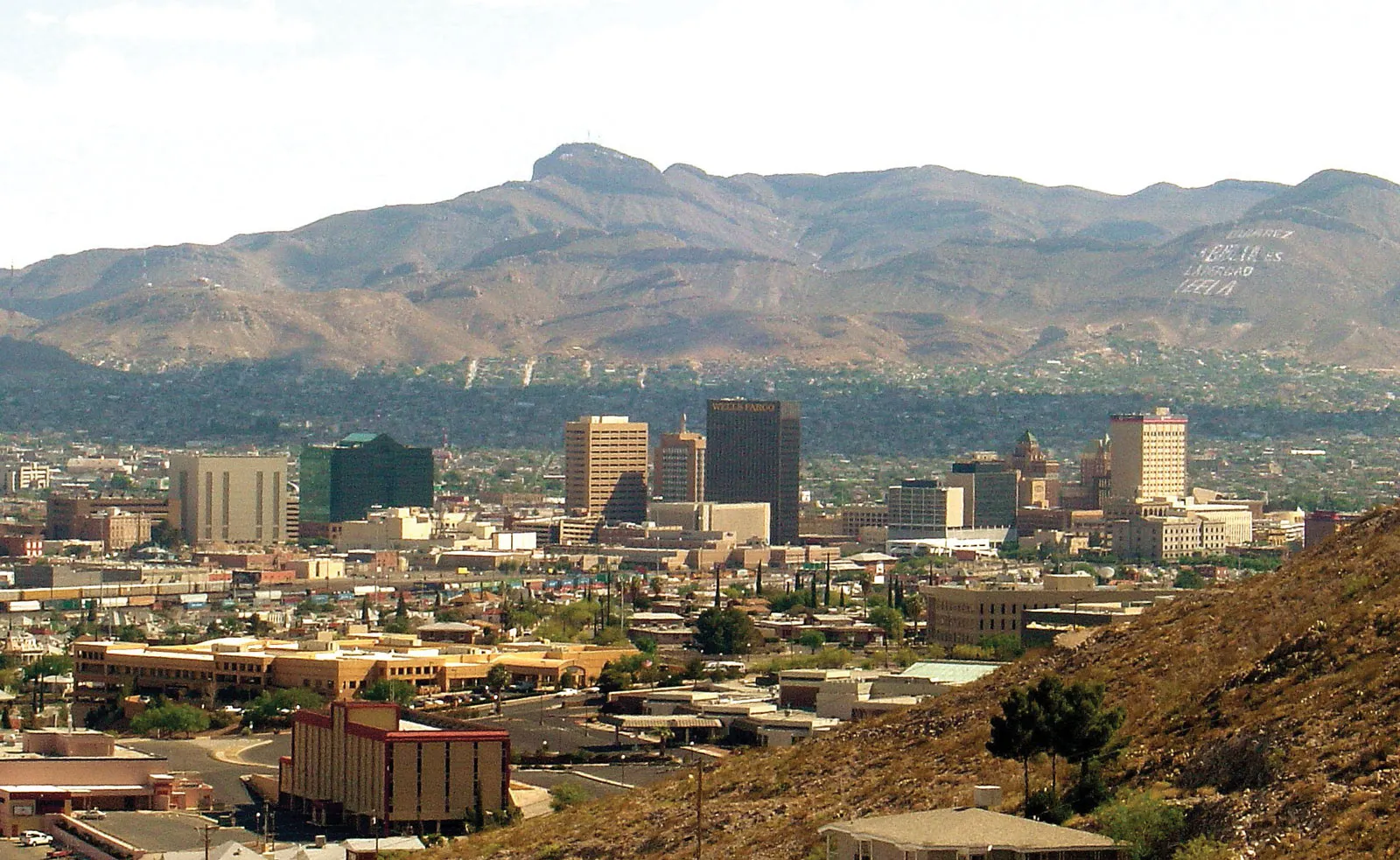
Auto Dealership Roofing in El Paso, TX
Auto Dealership Roofing in El Paso, TX starts with heat exposure, drainage paths, and storm history so the recommendation is tied to what the roof is showing.
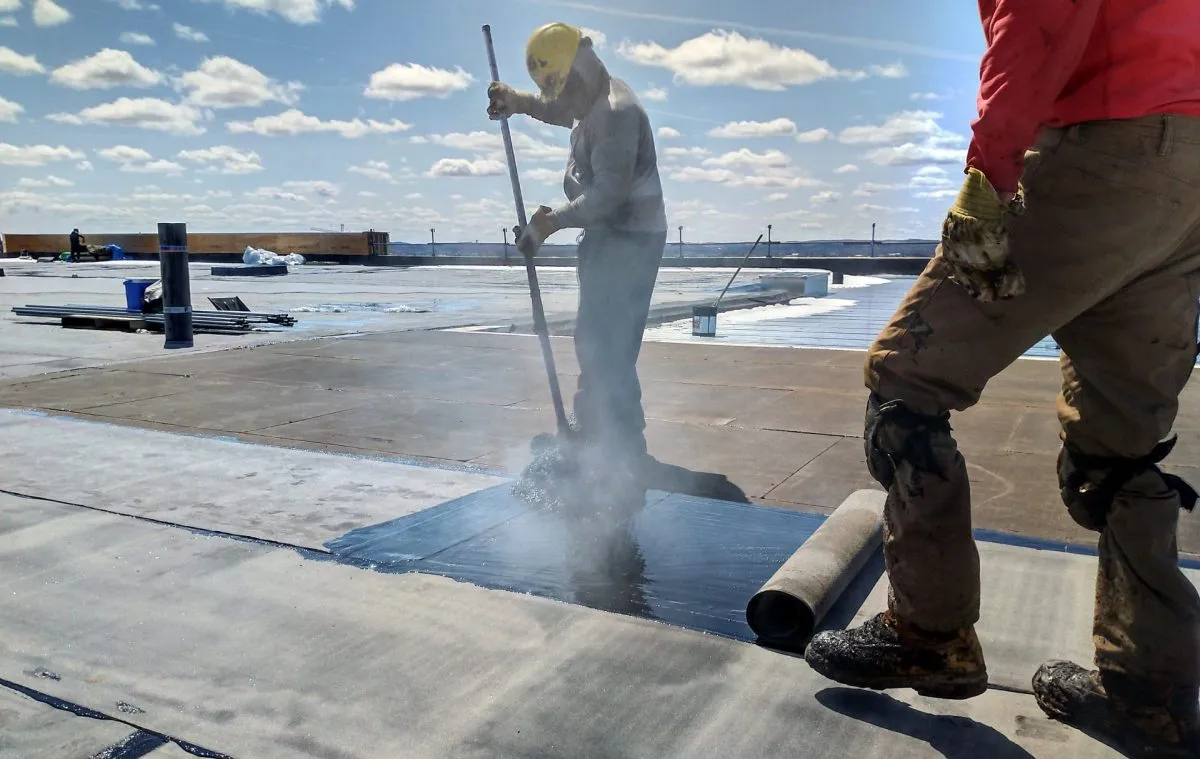
Built-Up Roofing in El Paso, TX
Built-Up Roofing in El Paso, TX starts with roof access, tenant timing, and equipment clearances so the recommendation is tied to what the roof is showing.
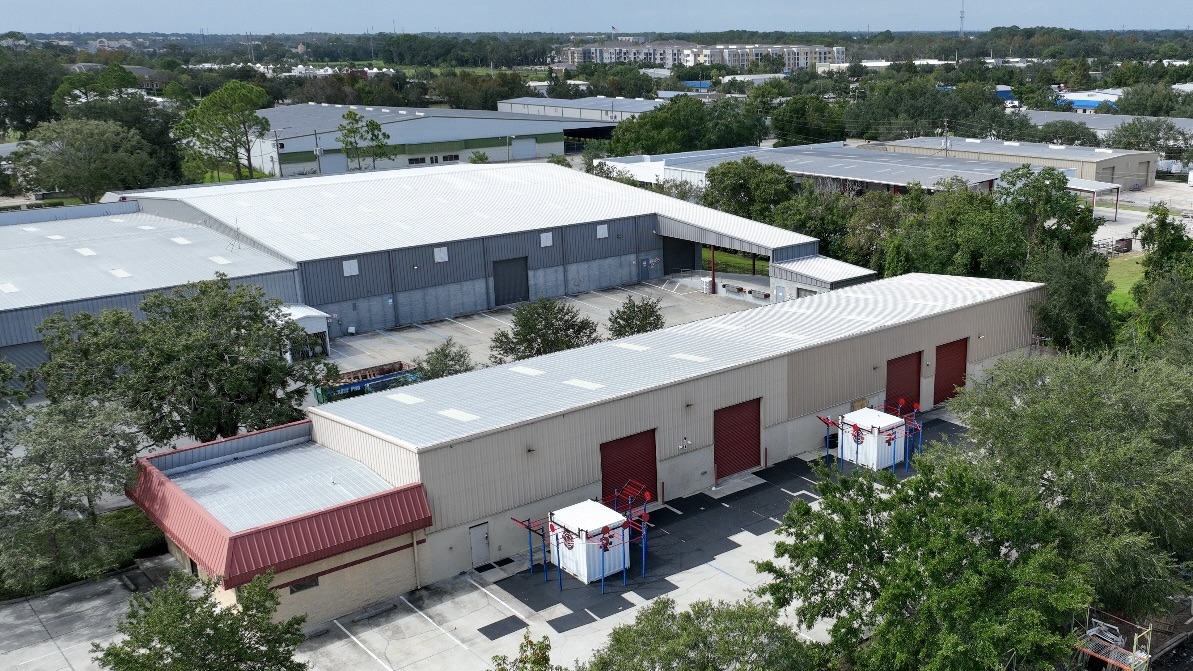
Commercial Roof Inspection in El Paso, TX
Commercial Roof Inspection in El Paso, TX starts with storm history, repair records, and drainage paths so the recommendation is tied to what the roof is showing.