
Healthcare Facility Roofing in El Paso, TX
Commercial Roofers of El Paso handles healthcare facility roofing in el paso, tx with a roof walk, photo notes, repair priorities, and a clear plan for maintenance, recovery, coating, or replacement.
Healthcare Facility Roofing Scope Notes
Commercial roofing scope for multi-ply asphalt roofs, gravel surfacing, core cuts, and repair-versus-replacement decisions.
Local Roof Context
El Paso's healthcare infrastructure serves one of the largest binational metropolitan populations in the western hemisphere, with University Medical Center of El Paso, Las Palmas Medical Center, The Hospitals of Providence network, and the William Beaumont Army Medical Center collectively providing care to over two million residents spanning El Paso County, Doña Ana County, and Ciudad Juárez across the Rio Grande. The scale and diversity of this patient population—combined with the city's position as a regional referral center for far West Texas and southern New Mexico—means that El Paso's major hospitals operate at high capacity continuously, creating the same zero-tolerance conditions for roofing failures that metropolitan medical centers face everywhere, but in a climate that is genuinely unforgiving in its own specific ways.
El Paso's Chihuahuan Desert climate presents roofing challenges that differ sharply from those faced by contractors in wetter markets. The city averages fewer than ten inches of annual rainfall, but those rain events arrive with concentrated intensity—summer monsoon storms between July and September can deposit an inch of rain in thirty minutes on roofs designed around El Paso's historically low precipitation patterns. When drains and scuppers on hospital buildings are inadequately maintained or improperly sized for monsoon flow rates, brief intense storms create ponding conditions that force water into penetration flashings and membrane seams. UV radiation intensity at El Paso's 3,700-foot elevation accelerates oxidation in roofing membranes, and the city's extreme temperature range—summer highs above 100°F and winter lows occasionally dropping below 20°F—creates thermal cycling stress that challenges every material in a roofing assembly.
The University Medical Center of El Paso campus near Downtown, along with the expanding Providence network that includes Providence Memorial and Sierra Medical Center, carries rooftop mechanical infrastructure typical of large urban hospitals—cooling towers, chiller plant equipment, medical gas venting stacks, and multiple generations of HVAC installations layered across different building phases. In El Paso's intense desert sun, rooftop equipment operates under thermal stress that is more severe than in most other major Texas cities, and the roofing system beneath that equipment must accommodate the differential movement between heavy equipment pads and the surrounding membrane field without developing splits or voids at curb transitions. Contractors who have not worked on desert-climate hospital roofs frequently underestimate how significantly UV-exposed flashings and sealants degrade in West Texas conditions.
Infection control at El Paso healthcare facilities carries an additional dimension related to the region's dust conditions. The Chihuahuan Desert produces persistent wind-driven dust events, and El Paso's position at the base of the Franklin Mountains creates channeled wind conditions that can make roofing work on exposed hospital campus buildings genuinely difficult to control from a containment perspective. Windblown construction debris is a contamination risk that ICRA protocols must specifically address at El Paso facilities like UMC or Las Palmas, where prevailing wind direction needs to be factored into containment barrier placement and debris management plans. This is not a consideration that roofing contractors working primarily in lower-wind markets instinctively incorporate into their ICRA plans without specific healthcare experience in desert environments.
Fort Bliss's proximity to El Paso and the presence of William Beaumont Army Medical Center add a military healthcare dimension to the local roofing market that requires specific compliance awareness. Military medical facilities operate under federal construction standards and procurement requirements distinct from the state licensing framework that governs civilian hospitals in Texas. Contractors performing roofing work on federal healthcare facilities must navigate additional compliance layers including Davis-Bacon wage requirements and federal facility security protocols. The civilian healthcare market—UMC, Providence, Las Palmas, and the growing outpatient clinic network that Del Sol Medical Center and East El Paso facilities represent—operates under Texas Department of State Health Services facility construction standards and Joint Commission accreditation requirements.
The rapid growth of urgent care and ambulatory surgical facilities along El Paso's eastside and northeast corridors—particularly around the Lee Treviño Drive, George Dieter Drive, and Montwood corridors that serve the city's fastest-growing residential areas—has created significant demand for healthcare-specific roofing expertise beyond the major hospital campuses. These single-story and two-story medical buildings typically have simple roof plans with fewer penetrations than large hospitals, but they share the same operational sensitivity to water intrusion. A roof leak that soaks the ceiling tiles above a procedure room in an El Paso urgent care clinic triggers the same infection control concerns and potential state health department notification requirements as a leak in a larger facility, with potentially worse consequences for a small independent operator.
Preventive maintenance for El Paso healthcare roofs should be structured around the monsoon season rather than the spring-summer cycle that defines maintenance calendars in northern markets. An inspection in late June—before the July monsoon onset—ensures that all drains are clear, all penetration sealants are intact, and any winter thermal damage has been identified and addressed before intense rain events begin. A second inspection in October captures any monsoon-season membrane damage and positions facilities for the mild El Paso winter without deferred maintenance vulnerabilities. This inspection cycle also allows infrared thermography to be performed during the lower-sun-angle conditions of late October, when thermal imaging of wet insulation produces clearer results than during the intense summer solar loading that dominates El Paso's sky for most of the year.
TPO membrane systems have found wide acceptance on new healthcare construction throughout the El Paso market, particularly because their white reflective surfaces meaningfully reduce cooling loads on buildings that run air conditioning nearly ten months per year. The solar reflectance of a well-maintained white TPO roof can reduce surface temperatures by 50 to 80 degrees compared to a dark-surfaced built-up roof, which translates directly into reduced cooling equipment runtime and energy cost savings that compound over a 20-year membrane life. For hospital campuses with aging equipment rooms consuming significant electricity, the life-cycle cost advantage of reflective roofing is a legitimate factor in re-roofing specifications, not just an environmental talking point.
El Paso healthcare facilities managers evaluating roofing contractors should prioritize vendors with documented experience in desert-climate medical facilities, understanding of West Texas monsoon drainage design, ICRA training for field crews, and familiarity with Texas Department of State Health Services construction requirements for licensed healthcare facilities. The binational character of El Paso's healthcare market—and the exceptional demand it places on UMC and the Providence network as regional referral centers—means that any disruption to patient services from a preventable roofing failure has consequences that ripple across the entire regional healthcare system. The right roofing partner treats that responsibility as the genuine obligation it is.
Related Roof Paths
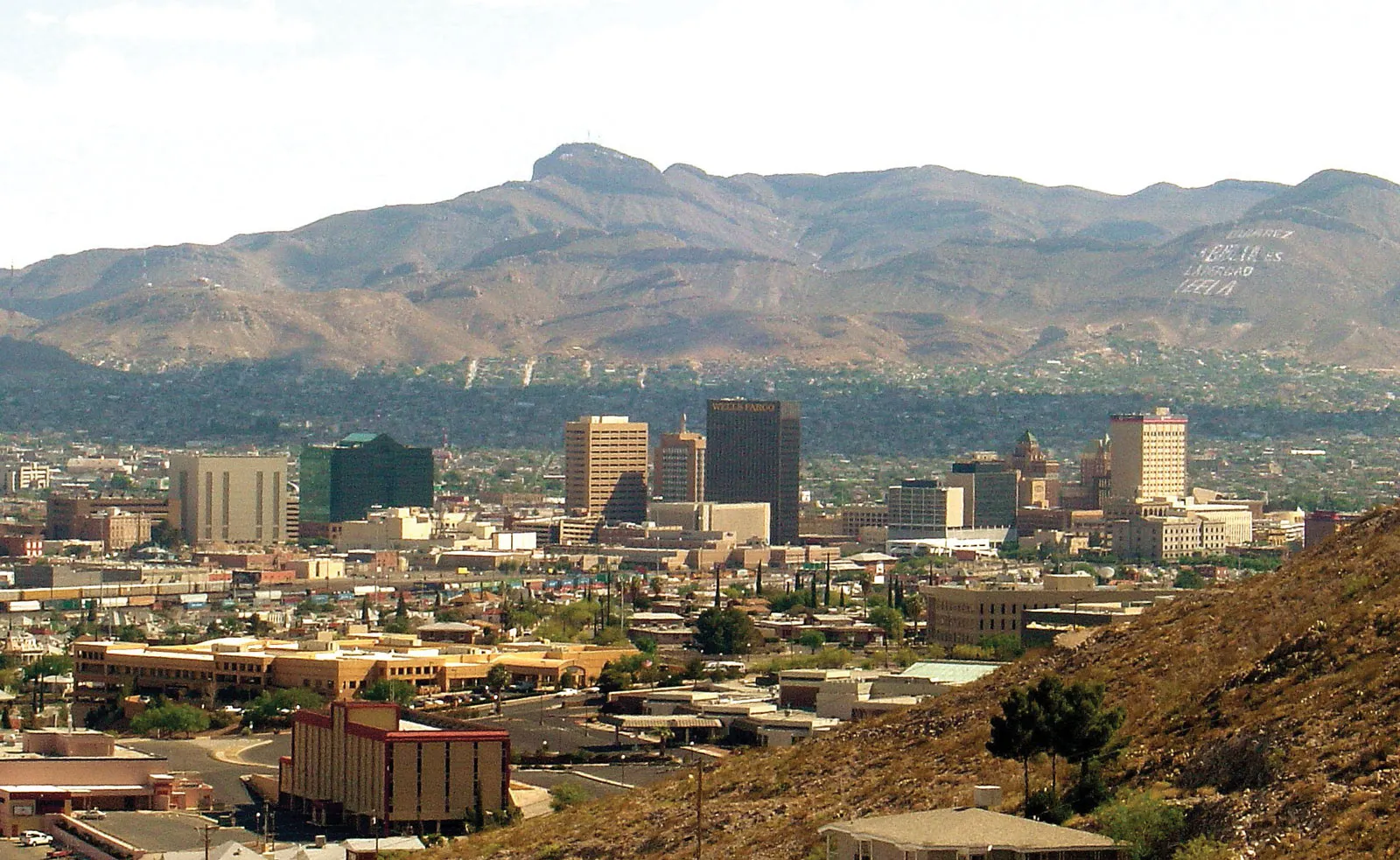
Auto Dealership Roofing in El Paso, TX
Auto Dealership Roofing in El Paso, TX starts with heat exposure, drainage paths, and storm history so the recommendation is tied to what the roof is showing.
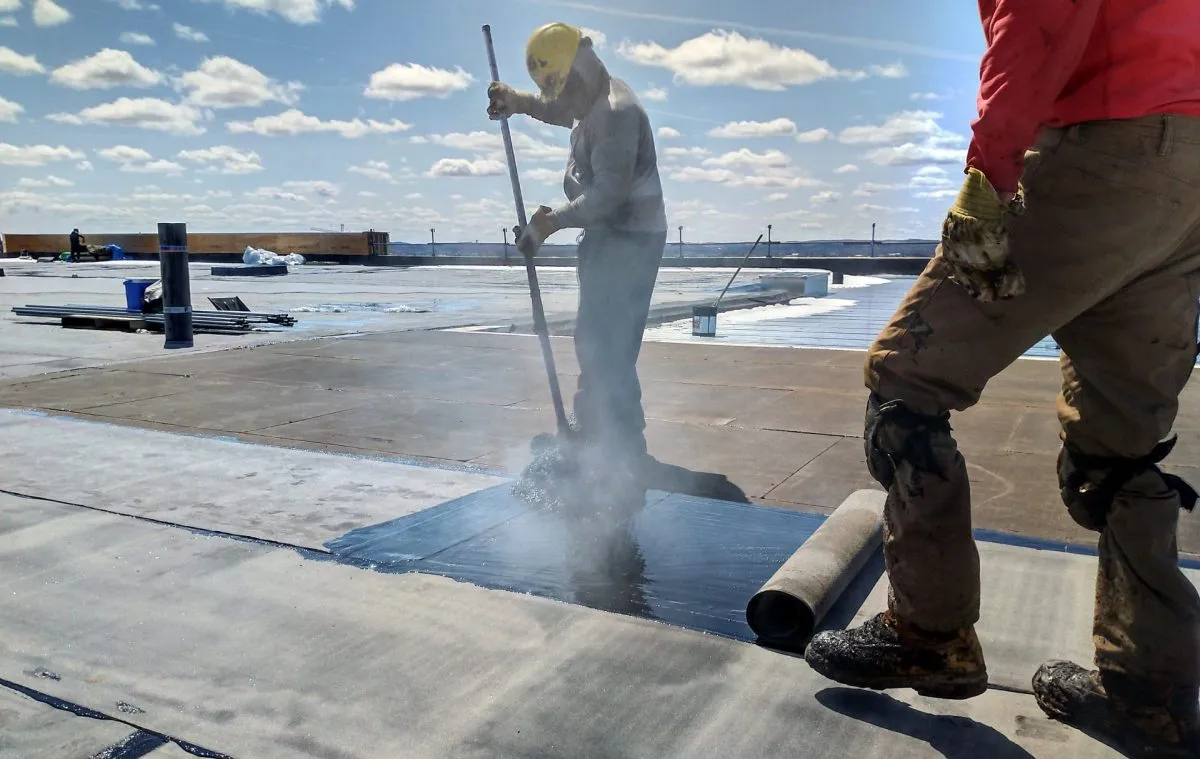
Built-Up Roofing in El Paso, TX
Built-Up Roofing in El Paso, TX starts with roof access, tenant timing, and equipment clearances so the recommendation is tied to what the roof is showing.
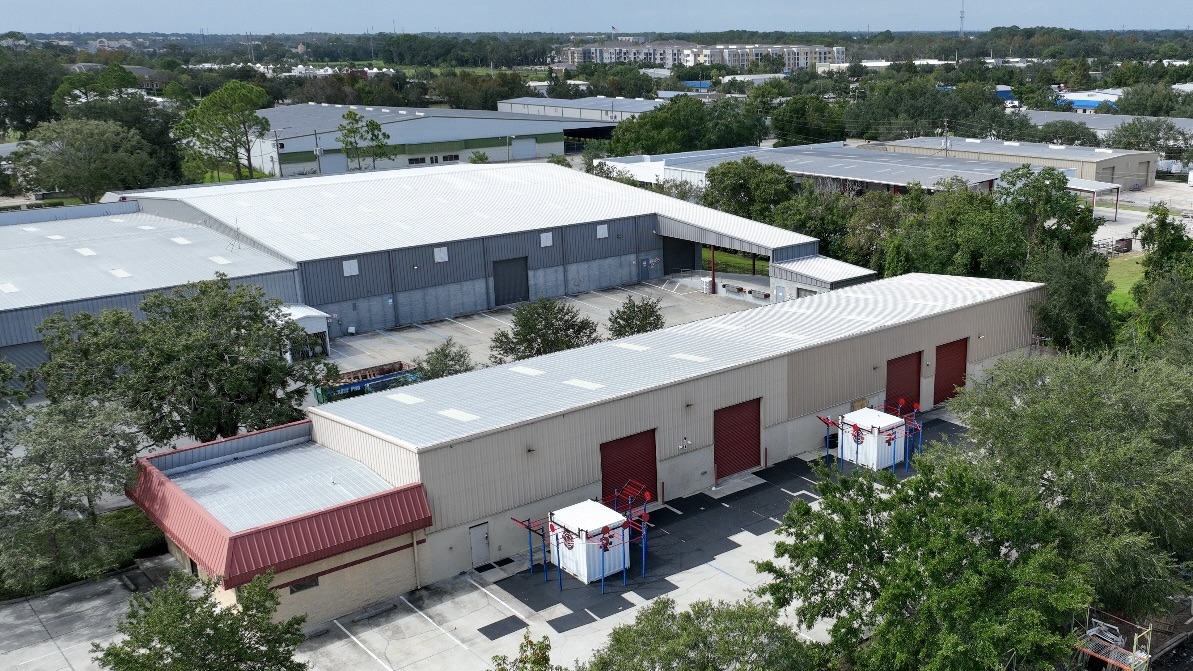
Commercial Roof Inspection in El Paso, TX
Commercial Roof Inspection in El Paso, TX starts with storm history, repair records, and drainage paths so the recommendation is tied to what the roof is showing.