
Movie Theater & Cinema Roofing in El Paso, TX
Commercial Roofers of El Paso handles movie theater & cinema roofing in el paso, tx with a roof walk, photo notes, repair priorities, and a clear plan for maintenance, recovery, coating, or replacement.
Movie Theater & Cinema Roofing Scope Notes
What sits over an auditorium is a wide, column-free deck and a problem most roofers underestimate. The room below has no posts holding the roof up across the middle, the ceiling has to stay dark and quiet during a show, and the rooftop is crowded with the air handling it takes to cool a packed house. El Paso fills its theaters — the multiplexes anchoring shopping centers along the Eastside and the I-10 retail belt, the houses near Cielo Vista and out by the Las Palmas and Far East corridors, the independent and revival screens downtown — and every one of those buildings needs a roof engineered for the span, the noise, and the desert sun at once.
Clear-span decks behave differently
An eight- to sixteen-screen multiplex carries auditorium bays that run roughly 80 to 150 feet with nothing underneath them. Those long spans flex and deflect under wind and thermal movement in ways a chopped-up retail roof never does, and a fastening pattern copied off a strip center will work loose over a deck like this. We confirm the actual deck type, gauge, and span and pull-test before we commit to an attachment method, then spec the fastener density — or shift to an adhered or hybrid system — to match how the deck really moves. On the wide bays we keep concentrated fastener loads off the seams so movement does not telegraph into a split.
A roof that keeps the show quiet and the screen dark
A theater roof is part of the acoustic envelope. Rain drumming on a thin assembly, or HVAC noise tracking down a poorly isolated curb, ends up in the auditorium during a quiet scene. We build for sound as well as water: substantial insulation that deadens impact noise, curbs detailed to isolate rooftop-unit vibration instead of transmitting it, and tight penetration seals that double as light seals so no daylight finds its way to a screen. The membrane is the obvious deliverable; a dark, quiet room underneath is the one the audience actually notices.
Auditorium HVAC means a crowded roof
Built for the El Paso climate
The roof bakes under more than 300 days of high-desert sun, then takes a beating from the monsoon bursts that sweep off the Franklin Mountains from July into September. We default to white reflective TPO, commonly 60- or 80-mil over tapered polyiso, to meet the regional cool-roof requirement and pull heat load off the air conditioning that runs the building. The tapered insulation matters as much as the membrane: decades-old theater roofs almost always pond in the low spots, and standing water is what shortens their life. We rebuild positive slope to the drains and size drainage and overflow for the burst, not the modest annual rainfall.
Working around the screening schedule
Cinemas run from matinee through the last late show, seven days a week, which makes them effectively a night-and-weekend operation for our purposes. We sequence tear-off and dry-in so every section is watertight before the doors open, do the disruptive curb and penetration work in the morning before the first screening, and coordinate any rooftop-unit shutdown with management so an auditorium is never left without cooling during a show. Loading-dock access, marquee electrical, and evening foot traffic at the entries all get worked into the plan before we mobilize.
Recover or replace, decided by core sample
Many El Paso theaters were built in the 1990s and early 2000s and are now on their second or third roof, with layers stacked up and patches scattered around old leaks. Before we propose a scope we cut cores to see how many membranes are already up there, how wet the insulation has gotten, and what the deck can carry. If the assembly under the surface is sound and dry, a recover can save the owner a costly tear-off. If the cores come back saturated, we say so — adding a new roof over wet insulation just buries the problem and voids the warranty. The decision comes from what the cores show, not from a guess off the ground.
Storm response that protects the equipment, not just the ceiling
A leak in a cinema is rarely just a stained tile. Water finds projection equipment, the sound racks, recliner motors, and the concession electronics, and a single drip over the booth can take a screen out of service on the busiest night of the week. When a monsoon cell opens a roof up, we respond fast for temporary dry-in, prioritize the zones over projection and electrical, and get the room back in service before the next show block. We also use the visit to find why it leaked — usually a tired curb or a failed canopy transition — so the same auditorium is not down again at the next storm.
Movie Theater Roofing Questions
What membrane do you put on a multiplex?
Usually 60- or 80-mil white TPO over tapered polyiso. The tapered insulation corrects the ponding that builds up on old flat theater roofs, and the white surface meets the cool-roof requirement and cuts the cooling load. We add reinforced walkway pads on the HVAC service routes.
How do you handle the big clear-span auditorium decks?
We verify the deck type, gauge, and span and pull-test before choosing an attachment method, because long spans deflect more than a typical roof. Where deflection is a concern we use an adhered or hybrid system to keep point loads off the seams.
Can you keep rain and HVAC noise out of the auditorium?
Yes. We treat the roof as part of the acoustic envelope — heavier insulation to deaden impact noise, curbs detailed to isolate unit vibration, and seals that block both water and stray light from reaching a screen.
Will the work interrupt screenings?
No. We work around the schedule, dry each section in before the doors open, do the disruptive curb work before the first matinee, and coordinate any HVAC shutdown so no auditorium loses cooling during a show.
Do you re-flash the marquee and entry canopy?
Yes. Marquee supports and the canopy-to-building joint at the entrance are chronic leak points on older theaters. We treat each as its own flashing detail and re-flash them as part of the project.
Related Roof Paths
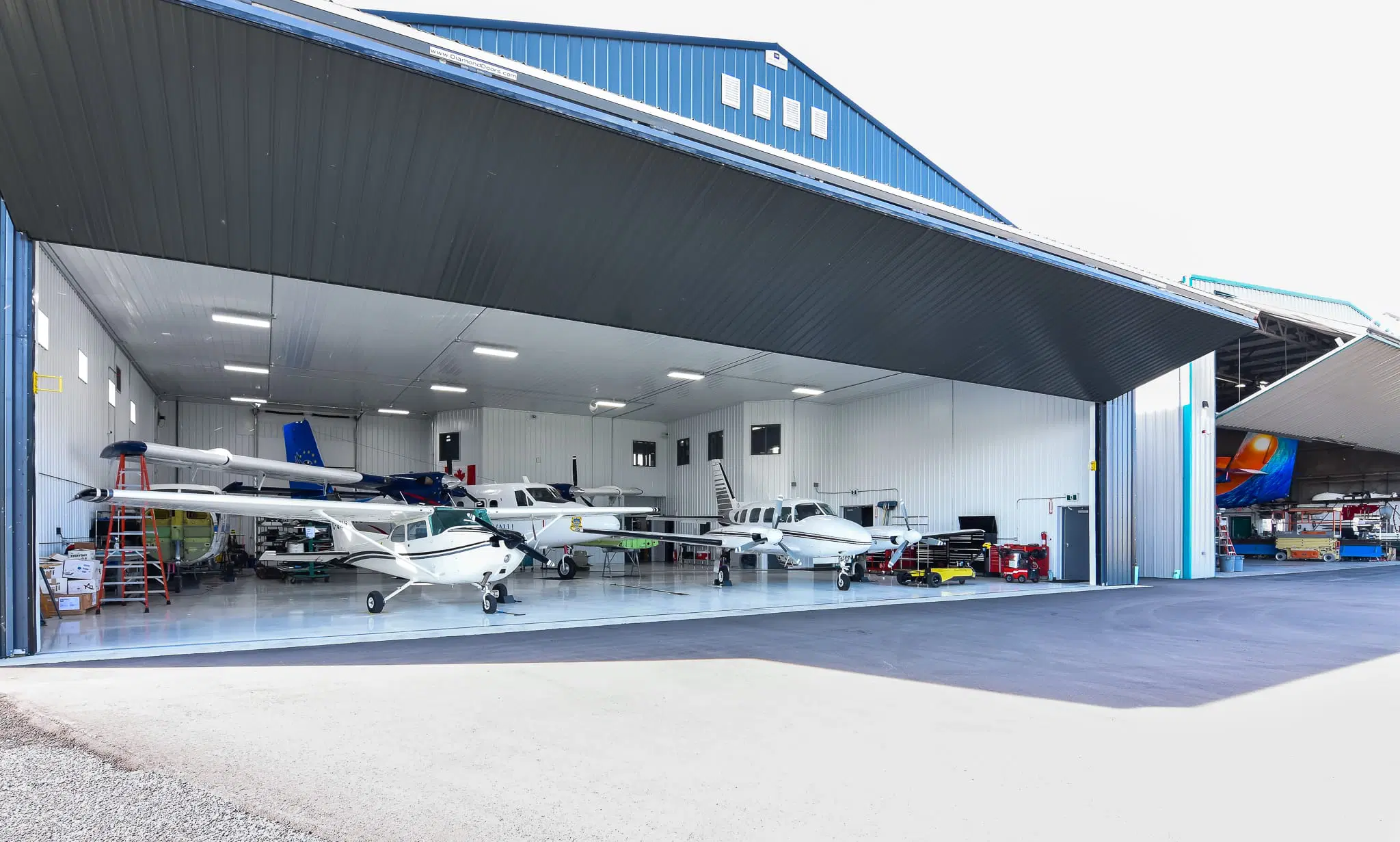
Airport Terminal & Aviation Facility Roofing in El Paso, TX
Airport Terminal & Aviation Facility Roofing in El Paso, TX roof work is planned around heat exposure, drainage paths, rooftop equipment, and operating hours that affect access and disruption.
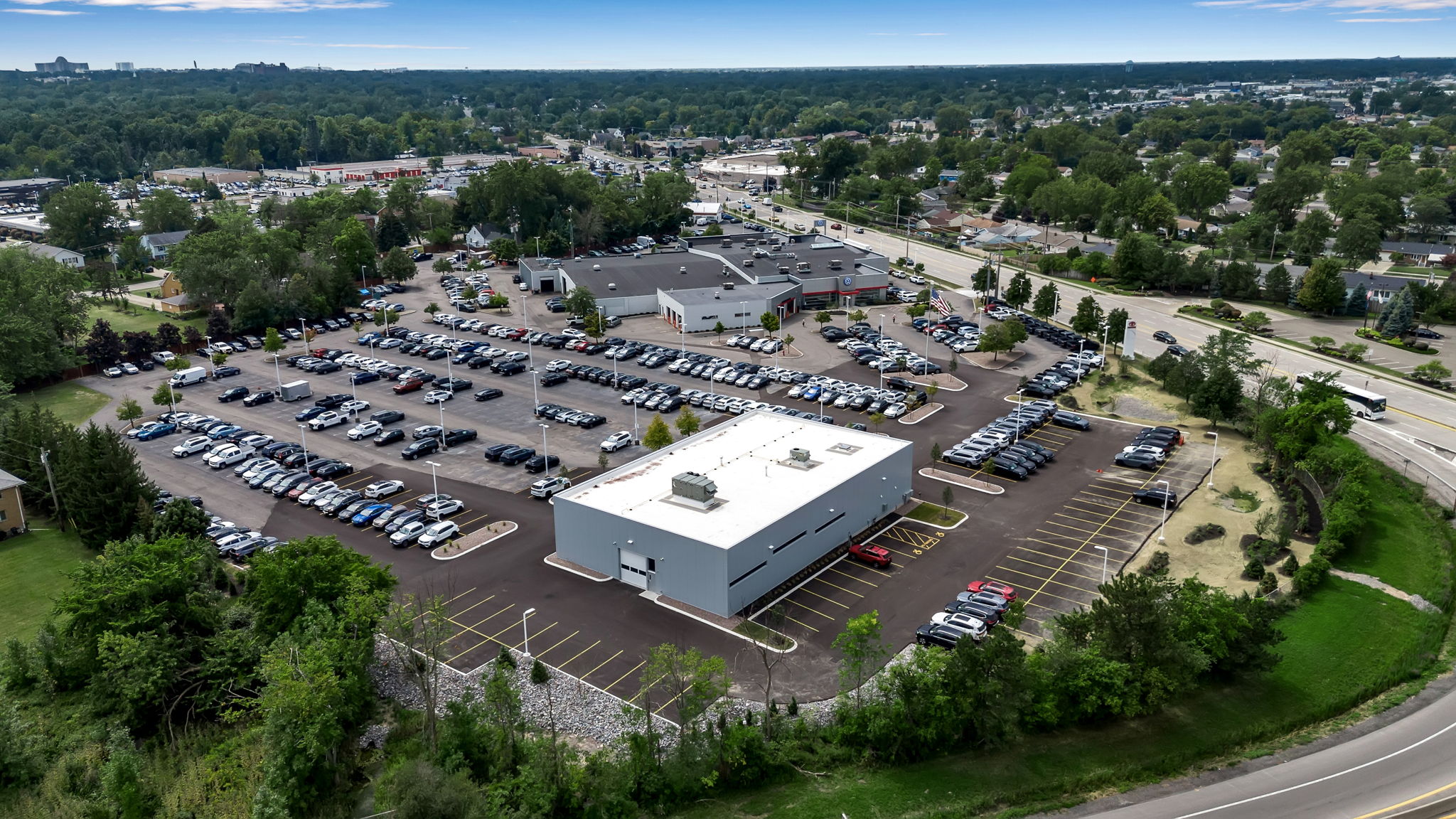
Auto Dealership Roofing
Auto Dealership Roofing roof work is planned around roof access, tenant timing, rooftop equipment, and operating hours that affect access and disruption.
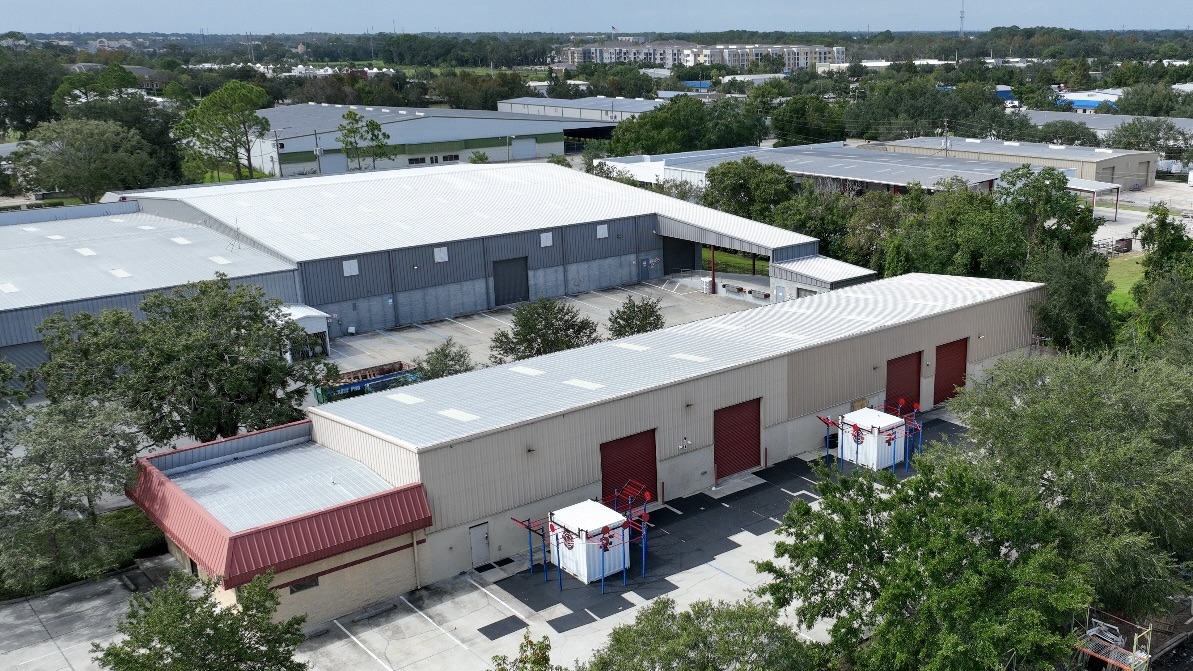
Commercial Roof Inspection in El Paso, TX
Commercial Roof Inspection in El Paso, TX starts with storm history, repair records, and drainage paths so the recommendation is tied to what the roof is showing.