
REIT Roofing Services in El Paso, TX
Commercial Roofers of El Paso handles REIT roofing services in el paso, tx with a roof walk, photo notes, repair priorities, and a clear plan for maintenance, recovery, coating, or replacement.
REIT Roofing Services Scope Notes
Commercial roofing scope for portfolio owners comparing roof condition, risk, and capital timing.
Local Roof Context
El Paso occupies a unique position in the Sun Belt commercial real estate landscape — a border market with significant cross-border manufacturing and logistics infrastructure, a growing industrial base tied to the Juarez maquiladora economy, and commercial real estate investment activity that has accelerated as nearshoring trends have pulled manufacturing closer to the US border. our company has been among the most active industrial REIT investors in the El Paso market, building out its portfolio along the BNSF rail corridor and the I-10 industrial corridor to serve the binational manufacturing ecosystem. For REIT asset managers with El Paso portfolios, roofing presents a specific challenge: a high-desert climate with extreme UV radiation, significant annual temperature swings, periodic severe hailstorms, and intense summer thunderstorm activity that can deliver heavy rainfall in a very short time period on systems that are often not adequately drained.
El Paso's climate is defined by its Chihuahuan Desert location at approximately 3,700 feet elevation, which delivers UV radiation intensity well above sea-level markets and creates membrane surface temperatures that can exceed 190 degrees Fahrenheit on exposed flat roofing during July and August. This extreme heat load accelerates oxidation and degradation of roofing membrane surfaces, adhesive systems, and sealant materials at rates that institutional owners accustomed to national benchmark performance data consistently underestimate. A TPO membrane that is rated for 20 years under standard conditions may show significant surface degradation in El Paso within 12 to 14 years if not maintained with UV-inhibiting treatments and regular inspection. REIT reserve models built on standard manufacturer warranty terms without an El Paso climate adjustment are systematically underfunded.
Hail risk in El Paso surprises institutional owners who associate severe hail with Texas's eastern and central markets. The mountain terrain around El Paso channels thunderstorm development in ways that occasionally produce severe hail events, and the region has experienced hailstorms with stones reaching golf-ball size. On flat industrial roofs with large membrane surface areas — the kind of roofing that characterizes our company's logistics buildings in the El Paso metro — hail impacts create damage across broad areas that is difficult to assess without systematic post-event inspection. A preferred vendor MSA that includes post-storm rapid assessment protocols and documented pre-storm condition baselines is as important in El Paso as it is in Dallas or Denver.
Property condition assessments for El Paso industrial acquisitions must address the desert climate's specific deterioration patterns. Sealant materials around penetrations, flashings, and expansion joints deteriorate faster in El Paso's UV and heat environment than in more temperate markets, creating small but consequential leak paths that admit water during the intense afternoon thunderstorms that characterize the monsoon season from July through September. A PCA conducted by a contractor unfamiliar with desert climate roofing will often underestimate the remaining useful life degradation that UV and heat exposure create, providing an overly optimistic assessment that feeds an underfunded reserve model. A local contractor who regularly inspects El Paso industrial roofs knows what three to five years of desert UV exposure looks like on the standard membrane systems in the market.
El Paso's nearshoring industrial growth has pulled significant capital into new speculative and build-to-suit industrial development, and it has simultaneously generated interest in acquiring and repositioning older industrial buildings that were originally built to serve the maquiladora economy. These older buildings frequently carry original roofing systems from the 1990s and early 2000s that are entering the replacement window, and the high UV and heat stress they have experienced means actual remaining useful life is often significantly less than installation dates suggest. REIT buyers acquiring value-add industrial assets in El Paso should include current condition assessments on all roofs as a standard acquisition deliverable, with independent expert review of the preferred vendor's remaining useful life estimates before they are incorporated into acquisition underwriting.
The CapEx versus OpEx treatment of El Paso roofing work requires particular attention to the coating and restoration work that is common in the market as a life-extension strategy for aging membrane systems. A restoration coating applied to a deteriorating but structurally sound TPO membrane can extend system life by five to eight years, but the accounting treatment — whether it is OpEx maintenance or CapEx improvement — depends on the scope documentation and the condition of the underlying system at the time of application. A preferred vendor who understands this distinction and documents restoration work in a way that supports the appropriate accounting treatment helps asset managers avoid the audit and reporting complications that arise from inconsistent treatment of this common El Paso roofing approach.
El Paso's binational character creates a specific preferred vendor requirement that differs from purely domestic markets. Institutional industrial buildings near the border crossings at Bridge of the Americas and Zaragosa serve tenants whose operations span the US-Mexico boundary, and those tenants' facility management teams may have direct or indirect relationships with Mexican contractors who have offered to handle maintenance on the US-side buildings. REIT asset managers need to maintain clear contractor qualification standards and preferred vendor agreements that ensure US-side roofing work is performed by credentialed US contractors meeting insurance, warranty, and documentation requirements — regardless of cross-border operational relationships that tenants may prefer to leverage.
REIT investor reporting for El Paso industrial portfolios should specifically address climate risk factors in the capital reserve methodology. Sophisticated institutional investors evaluating El Paso REIT holdings increasingly expect to see climate-adjusted reserve assumptions, and the combination of elevated UV exposure, summer heat loading, periodic hail risk, and monsoon season hydraulic load testing creates a risk profile that justifies higher annual reserve contributions than national benchmarks suggest. A preferred vendor who can provide climate-adjusted remaining useful life estimates based on El Paso-specific performance data gives the financial team the local market grounding needed to defend these reserve assumptions to investors.
The El Paso industrial market's growth trajectory, driven by nearshoring and cross-border trade, makes it a market where building strong institutional infrastructure early — including roofing vendor relationships — creates compounding advantages as the portfolio grows. our company and other REITs that have built preferred vendor programs in El Paso as their portfolios have expanded have been able to manage the hail events and monsoon season maintenance efficiently because the vendor relationship, condition baseline documentation, and MSA response commitments were in place before the first storm season tested them. REIT asset managers building El Paso exposure through the current nearshoring growth cycle should make preferred vendor MSA establishment a first-week priority for every new acquisition, not an afterthought.
Related Roof Paths
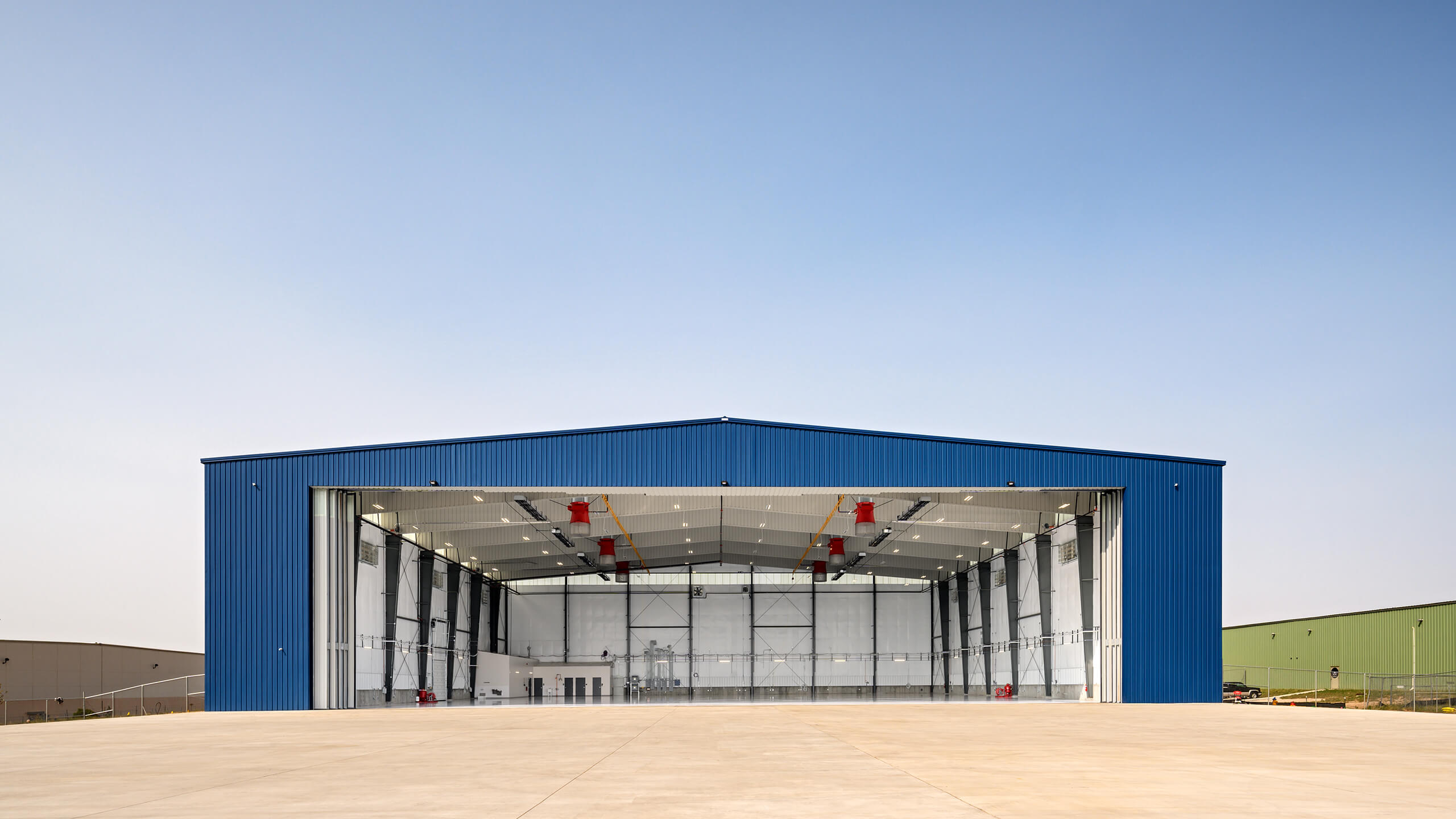
Aerospace & Defense Facility Roofing in El Paso, TX
Aerospace & Defense Facility Roofing in El Paso, TX support keeps heat exposure, drainage paths, documentation, and operating risk in view before the roof scope is finalized.
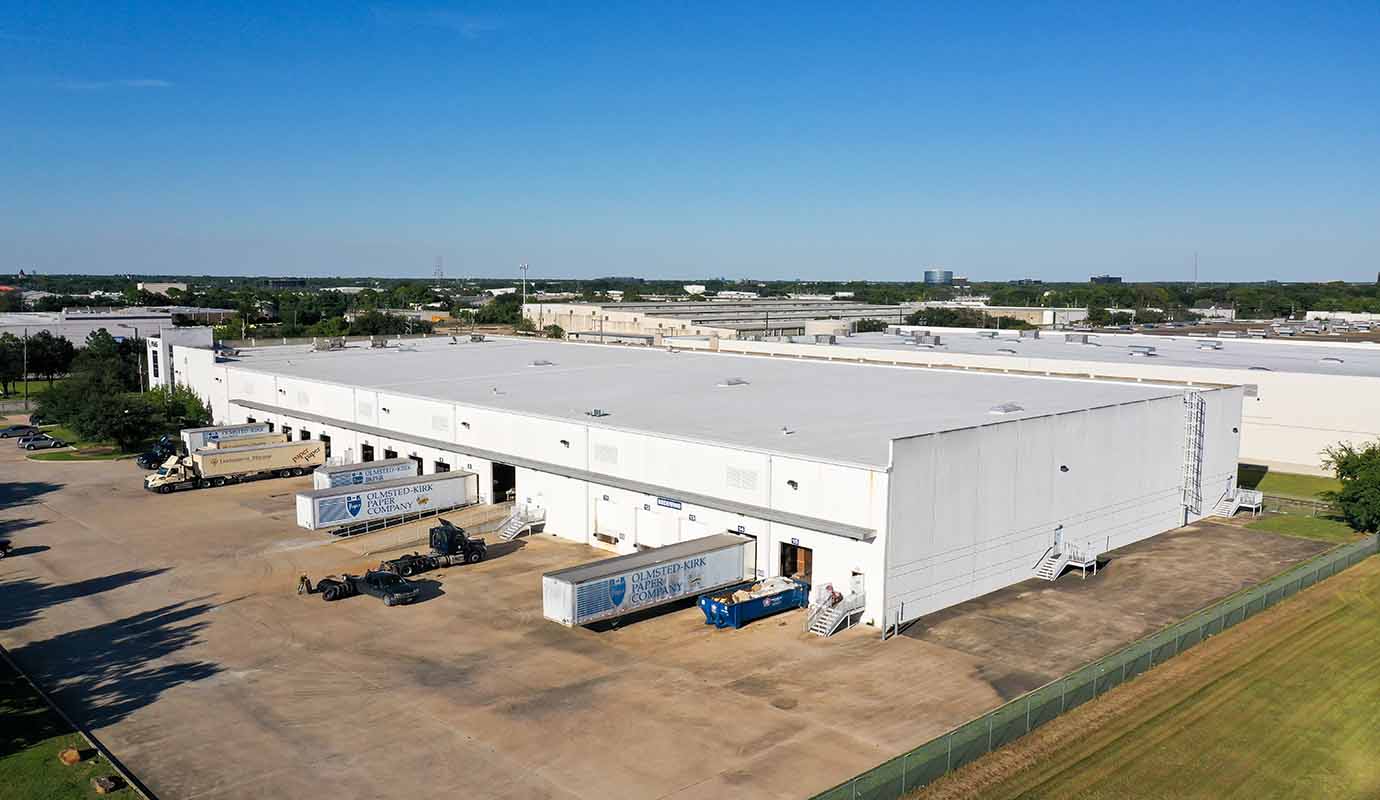
Commercial Real Estate and REITs
Commercial Real Estate and REITs support keeps roof access, tenant timing, documentation, and operating risk in view before the roof scope is finalized.
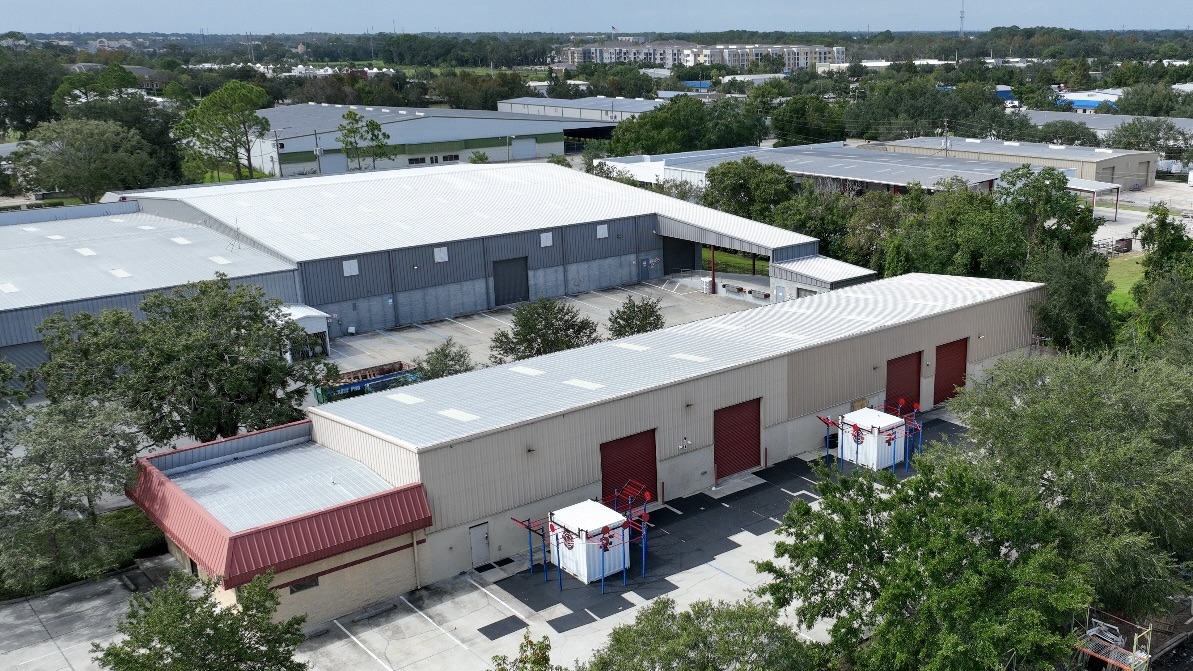
Commercial Roof Inspection in El Paso, TX
Commercial Roof Inspection in El Paso, TX starts with storm history, repair records, and drainage paths so the recommendation is tied to what the roof is showing.