
Food Processing and Cold Storage Roofing in El Paso, TX
Commercial Roofers of El Paso handles food processing and cold storage roofing in el paso, tx with a roof walk, photo notes, repair priorities, and a clear plan for maintenance, recovery, coating, or replacement.
Food Processing and Cold Storage Roofing Scope Notes
Commercial roofing scope for portfolio owners comparing roof condition, risk, and capital timing.
Local Roof Context
El Paso sits at one of the most strategically important food distribution crossings in North America. The World Trade Bridge connects El Paso and Juarez as the primary overland crossing for produce, processed foods, and cold chain shipments moving between Mexico and the United States. Hundreds of millions of dollars in perishable goods cross this corridor daily, and the warehousing, cold storage, and food processing facilities clustered along the Texas side of the crossing represent a significant concentration of food industry roofing demand. Mexico's agricultural production — particularly the winter produce from Sonora and Sinaloa states — moves through El Paso into US distribution networks, creating year-round cold chain logistics activity that requires roofing systems engineered for the specific demands of temperature-controlled food storage in a desert climate.
Cold chain facilities at the World Trade Bridge present a roofing challenge unique to this geography. The temperature differential between a refrigerated warehouse interior and El Paso's summer outdoor environment can exceed 90°F — one of the largest thermal gradients encountered in US cold storage roofing. This extreme differential drives intense vapor pressure toward the cold storage interior, creating conditions that will cause rapid moisture accumulation and ice formation within an improperly designed roofing assembly. El Paso cold storage operators who have experienced roofing assembly failures describe finding substantial ice accumulation within insulation layers after just a few seasons — a failure mode that destroys thermal performance, damages structural decks, and creates the potential for falling ice hazards inside the facility. Correct vapor retarder specification and installation is not a design option for El Paso cold storage roofing — it is the foundational requirement on which everything else depends.
HACCP compliance at El Paso food distribution facilities encompasses both the production and distribution functions that these border facilities serve. Produce receiving operations — where Mexican-grown fruits and vegetables are inspected, sorted, and consolidated for US distribution — operate under FDA's food safety framework, which includes facility design requirements that extend to the building envelope. A roof that leaks onto a produce sorting line or refrigerated storage area triggers not only a contamination risk but a potential FDA facility inspection and, in the worst case, a product recall affecting shipments that have already moved into US distribution channels. The border crossing context adds a USDA inspection overlay for certain commodities, further heightening the regulatory stakes of any food safety incident at these facilities.
El Paso's desert climate creates roofing challenges that differ fundamentally from most US food facility markets. The extreme summer heat — rooftop surface temperatures can exceed 190°F on a dark membrane during peak July and August conditions — accelerates membrane degradation at rates that make material selection critically important for long service life. Reflective white membranes are mandatory from both an energy efficiency and a longevity standpoint: a white TPO or silicone-coated membrane that reflects solar radiation will outlast an equivalent dark membrane by many years in El Paso's desert environment. For cold storage facilities, the reflective membrane also reduces the cooling load required to maintain interior temperature setpoints, providing ongoing energy cost savings that compound over the facility's operating life.
Wind is the second major environmental factor at El Paso food distribution facilities. Spring wind events driven by Southwest desert pressure gradients produce sustained high winds that stress roofing membrane edge attachments and can damage or dislodge rooftop refrigeration equipment if it isn't properly anchored. Cold storage facilities have significant rooftop refrigeration equipment — condensing units, evaporative coolers, and fresh air exchange units — that presents substantial wind profiles. The attachment of this equipment to the roof structure must be engineered for the wind loads that El Paso's spring season produces, and the roofing membrane must be specified and installed to FM wind uplift ratings that account for the equipment's contribution to the roof's total wind loading scenario.
Vapor management at El Paso food facilities requires accounting for the desert environment's low ambient humidity, which creates an unusually complex vapor dynamic for refrigerated warehouses. Unlike cold storage facilities in humid climates where outdoor vapor always drives toward the cold interior, El Paso's very dry winter and spring air can reduce the outdoor vapor pressure to near zero while the warehouse interior may be maintained at slightly higher humidity to protect stored produce from desiccation. This periodic reversal of vapor drive direction means that the vapor retarder must be designed and placed for the worst-case condition — typically summer, when outdoor vapor pressure is higher — but must also be robust enough to prevent moisture migration in the reverse direction during the dry winter season. A hygrothermal analysis using El Paso climate data is the most reliable basis for vapor retarder specification at cold chain facilities in this market.
The border crossing context creates unique operational constraints for roofing work at El Paso food distribution facilities. Many facilities adjacent to the World Trade Bridge operate on schedules driven by the crossing's peak traffic hours — typically early morning through midday — and cannot accommodate roofing work that interferes with receiving operations during those windows. Roofing contractors working on these facilities must plan their work around the facility's operational schedule, which may require late-night or weekend work for the most sensitive project phases. Additionally, facilities that handle USDA-inspected commodities have restricted access protocols that affect the staging and movement of roofing materials on the property. Understanding these operational constraints before project execution begins is essential to maintaining the client relationship and the facility's compliance posture.
The future of food distribution roofing demand in El Paso is tied directly to the USMCA trade relationship between the United States, Mexico, and Canada. As Mexico's agricultural export volumes continue to grow — driven by the expansion of year-round greenhouse production in northern Mexico and the continued growth of demand for winter produce in the US market — the cold chain infrastructure at the World Trade Bridge will need to expand to handle increased throughput. New cold storage construction and the renovation of existing facilities to higher refrigeration and food safety standards will create sustained demand for food facility roofing services in El Paso. Contractors who develop expertise in desert-climate cold storage roofing — including UV-resistant membrane specification, extreme thermal gradient vapor design, and operational schedule coordination — will be well-positioned to capture this growing market.
Preventive maintenance programs for El Paso food distribution roofs must account for the desert environment's specific aging mechanisms. Annual UV degradation assessment — evaluating membrane surface condition, seam integrity, and flashing flexibility — should be the centerpiece of any maintenance program in this market. Post-wind-event inspections following major spring wind storms should check edge metal condition and penetration flashings for displacement or damage. Pre-summer inspections before peak heat season allow identification and repair of any membrane deficiencies before the most thermally stressful months arrive. Cold storage facilities should receive additional thermal infrared scanning to detect any insulation moisture accumulation before it progresses to structural damage. Contractors who provide this comprehensive, climate-specific maintenance approach deliver genuine risk reduction value to food facility operators in El Paso.
Vapor control is the primary technical requirement. The large temperature differential between a refrigerated interior and El Paso's summer outdoor environment creates intense vapor pressure toward the cold storage space. Without a continuous, low-permeability vapor retarder installed on the warm side of the insulation, moisture will enter the assembly, freeze, and progressively destroy insulation performance. This is not a minor maintenance issue — moisture accumulation in cold storage insulation will eventually cause structural deck failure and create serious safety hazards. All other roofing design decisions for El Paso cold storage facilities should be made with vapor control as the non-negotiable foundation.
El Paso's summer sun and desert heat require reflective white membranes — TPO, silicone-coated systems, or light-colored PVC. Dark or gray membranes will experience rooftop surface temperatures above 190°F during peak summer, which accelerates thermal aging, weakens seam bonds, and compresses years of wear into a short service period. For cold storage facilities specifically, the reflective membrane also reduces solar heat gain that must be offset by refrigeration equipment, providing energy savings on top of the membrane longevity benefit. California's Title 24 equivalent requirement — the Texas Energy Code — mandates cool roof compliance for most commercial roof types, making reflective membranes both an engineering preference and a code requirement.
FDA's Foreign Supplier Verification Program and the USDA's import inspection requirements add a layer of regulatory oversight to facilities handling imported food commodities that domestic-only facilities don't face. The facility design implications — including roofing system requirements — are broadly similar to those for domestic food production under FSMA, but the import context means that any food safety incident can trigger both FDA and USDA involvement simultaneously, heightening the consequence of a roofing failure that creates a contamination event. Facilities handling fresh produce from Mexico are under particular scrutiny given the historical produce safety record at border crossings.
Work should be scheduled outside the facility's peak receiving and sorting hours, which at World Trade Bridge facilities typically run from early morning through early afternoon. Evening and overnight work is often the most practical scheduling option for phases where roofing crews need uninterrupted access to the roof above active production areas. Weekend work windows may be available for facilities that close during weekend crossing lulls. Contractors should develop detailed scheduling plans in coordination with the facility manager before mobilizing, and should include contingency provisions for rescheduling if the facility's receiving operations run late on any given day.
At minimum, annual inspection in early spring before peak wind season and a comprehensive fall inspection before winter. In practice, the combination of UV degradation risk, extreme wind events, and the food safety stakes of any roofing failure warrants semi-annual inspection. Post-significant-wind-event inspections should be added to this baseline. Cold storage roofs should receive thermal infrared scanning annually to detect insulation moisture accumulation early. Facilities processing USDA-regulated produce benefit from keeping current inspection reports available for regulatory review, making comprehensive, documented maintenance programs both a practical roof management tool and a compliance asset.
Related Roof Paths
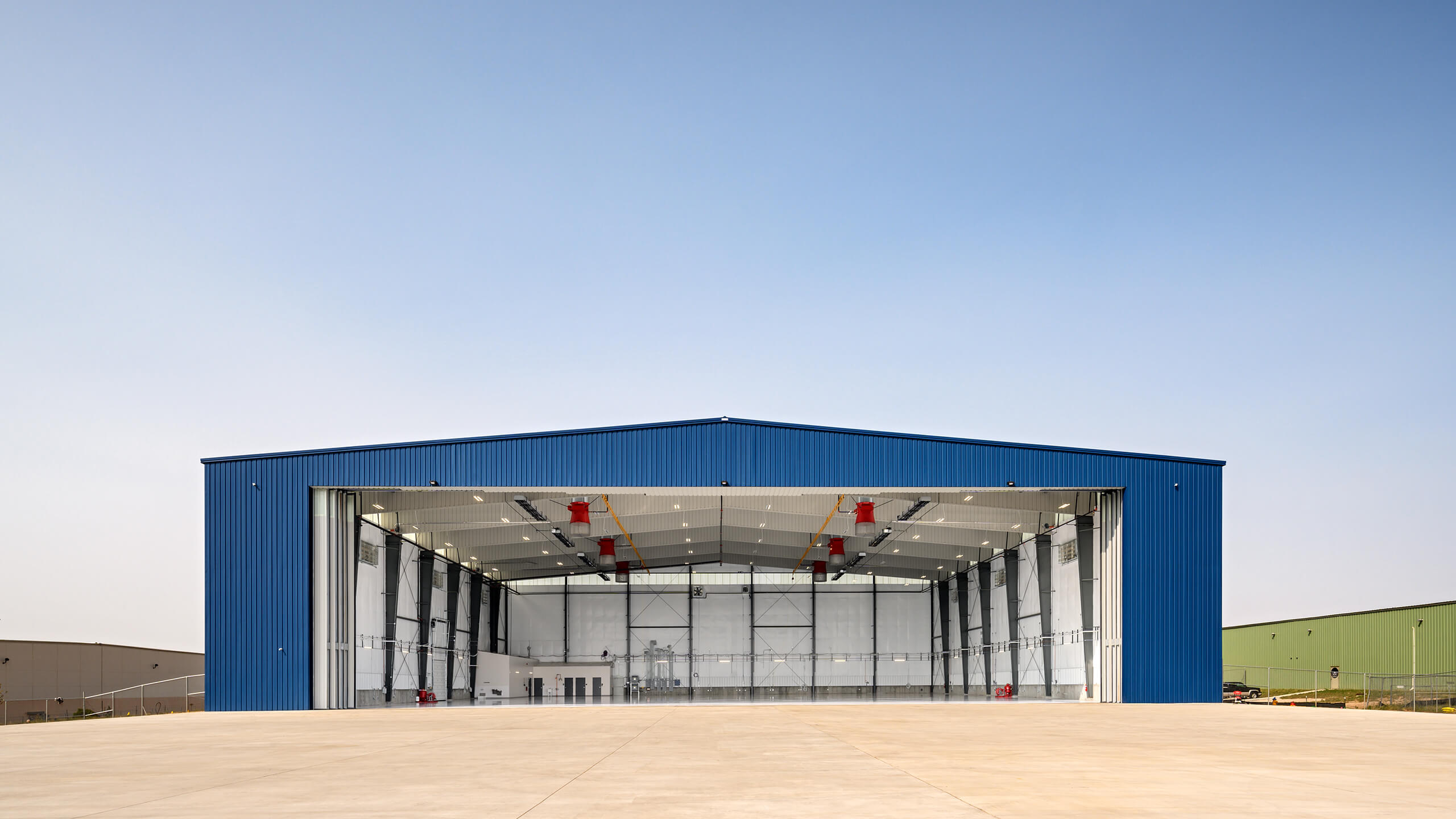
Aerospace & Defense Facility Roofing in El Paso, TX
Aerospace & Defense Facility Roofing in El Paso, TX support keeps heat exposure, drainage paths, documentation, and operating risk in view before the roof scope is finalized.
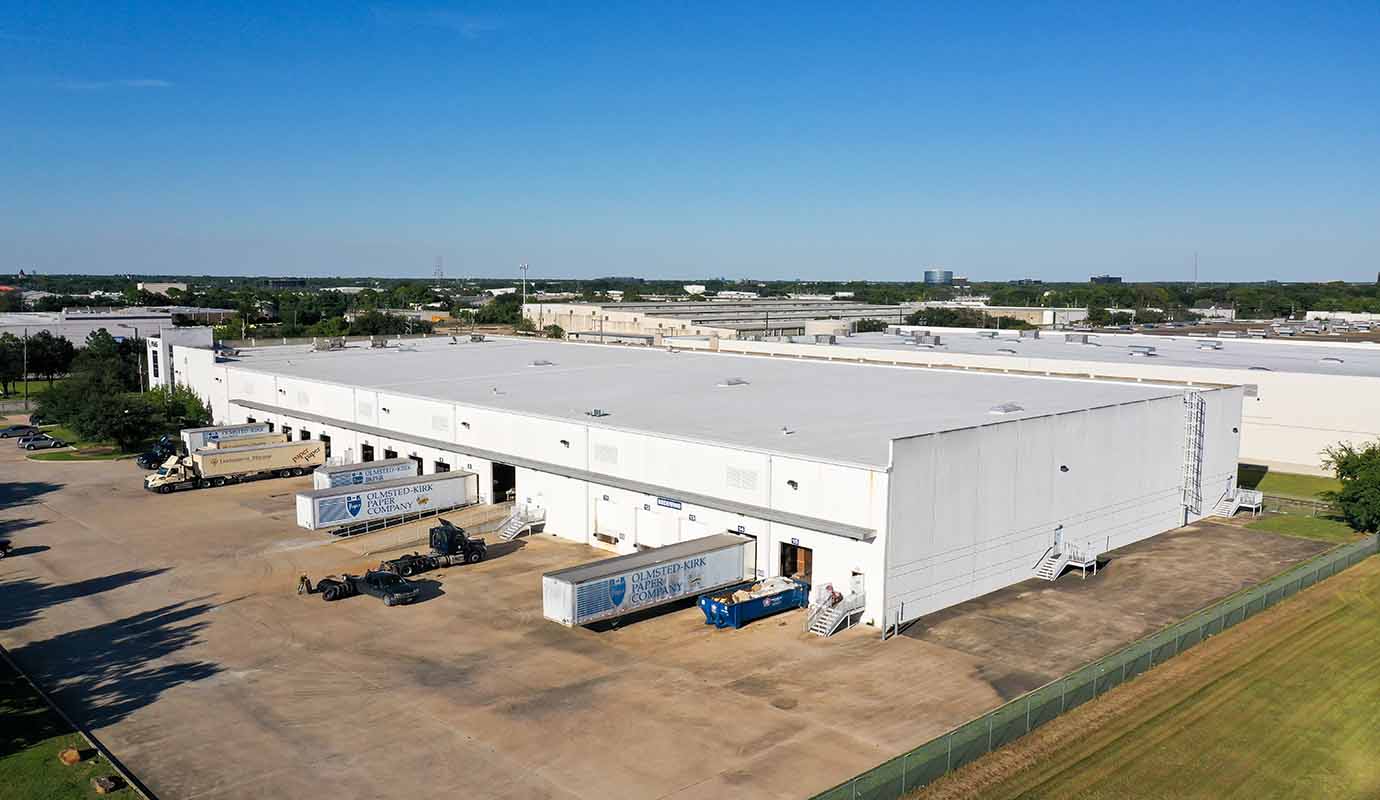
Commercial Real Estate and REITs
Commercial Real Estate and REITs support keeps roof access, tenant timing, documentation, and operating risk in view before the roof scope is finalized.
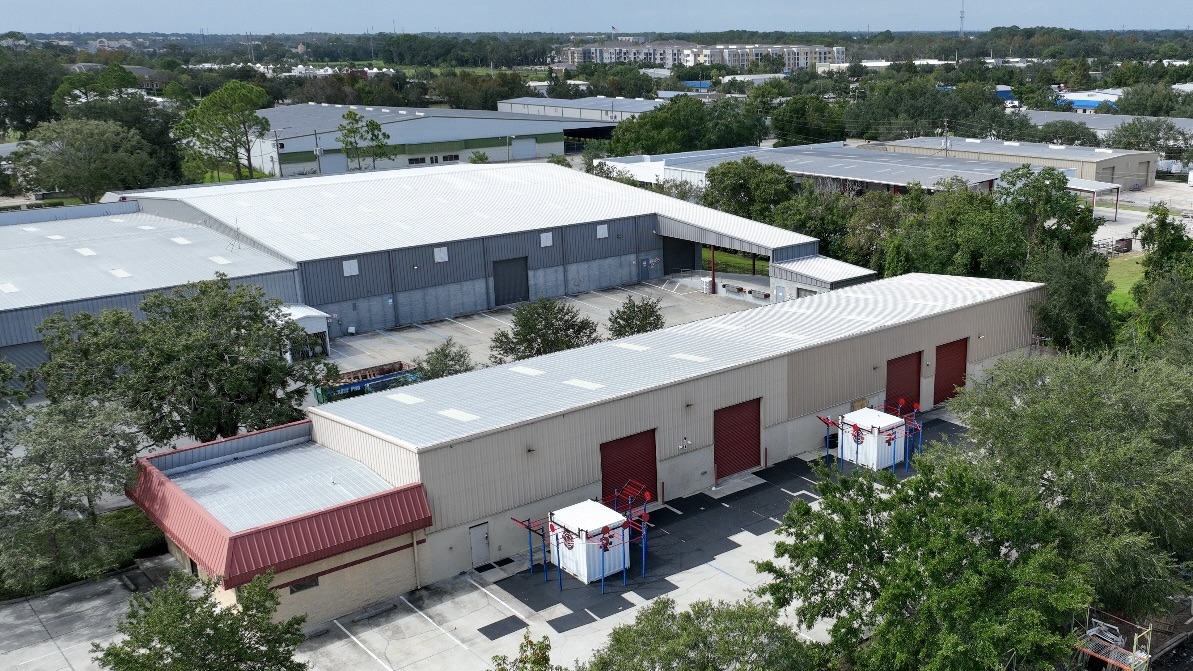
Commercial Roof Inspection in El Paso, TX
Commercial Roof Inspection in El Paso, TX starts with storm history, repair records, and drainage paths so the recommendation is tied to what the roof is showing.